How To Look After A Hamster

Last Updated on: 9th September 2025, 05:28 am
Hamsters are one of the most popular small pets, especially for families with children. They are cute, relatively low-maintenance, and can bring a lot of joy to a household. However, while they are small, hamsters still require proper care and attention to ensure they live a happy, healthy life. If you’re thinking about welcoming a hamster into your home or you’re a new owner, here’s everything you need to know about how to look after your furry little friend. Kim has welcomed a hamster into her home, so we have learned a lot about how to look after a hamster recently. Hopefully, we can share some advice for you in this blog post.
Look After A Hamster By Choosing the Right Cage
The first step in hamster care is providing a safe and comfortable home. Many pet shops sell small cages, but unfortunately, these are often far too cramped. Hamsters need plenty of space to explore, burrow, and exercise. A minimum recommended cage size for a Syrian hamster is 80 x 50 cm, with at least 40 cm in height. Dwarf hamsters can have slightly smaller cages, but still need enough room.
Wire cages with a plastic base or large glass tanks with mesh lids are ideal. Ensure the bars are close enough together to prevent escape, especially for dwarf hamsters. Inside the cage, you’ll need to provide a solid-bottomed exercise wheel (at least 28 cm for Syrians to prevent back problems), tunnels, hideouts, and toys to keep your hamster mentally stimulated.

Setting Up the Perfect Environment
Hamsters love to burrow, so providing the right bedding is essential. Use paper-based bedding, as this is safe and absorbent. Also, use proper hamster wood shavings from a pet shop. Avoid using pine or cedar shavings, as they can be harmful to a hamster’s respiratory system. Also, pop a small amount of straw in there. This gives your hamster something else to build a nest with. The bedding should be deep enough—aim for at least 5 to 10 cm—so your hamster can indulge its natural digging instincts.
You’ll also need to provide nesting material, such as soft, unscented tissue paper, which your hamster will use to build a cosy sleeping area. Keep their cage in a quiet, draught-free location away from direct sunlight, loud noises, and sudden temperature changes.
Feeding Your Hamster
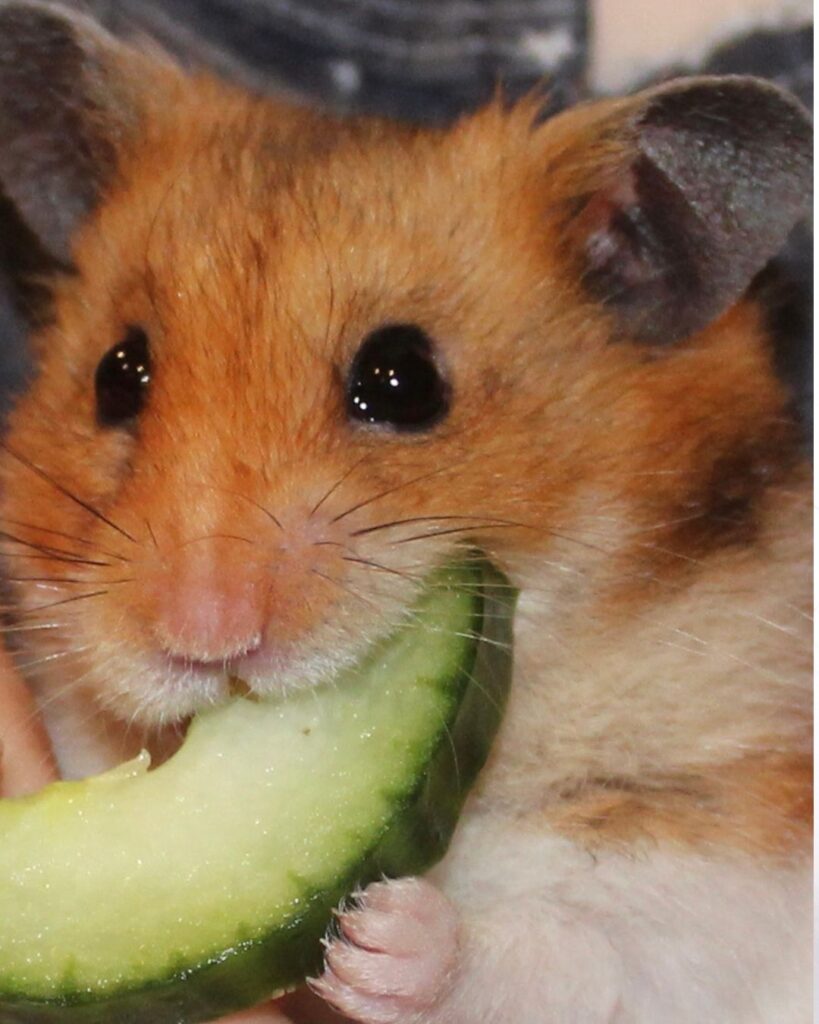
A balanced diet is key to a healthy hamster. Hamster food is available in most pet shops and offers a good blend of seeds, grains, and pellets. But it’s essential to check that they’re suitable for your hamster’s species. Hamsters can also enjoy small amounts of fresh vegetables like broccoli, cucumber, and carrot. As well as occasional treats like an apple or a banana (but always remove uneaten fresh food to prevent mould).
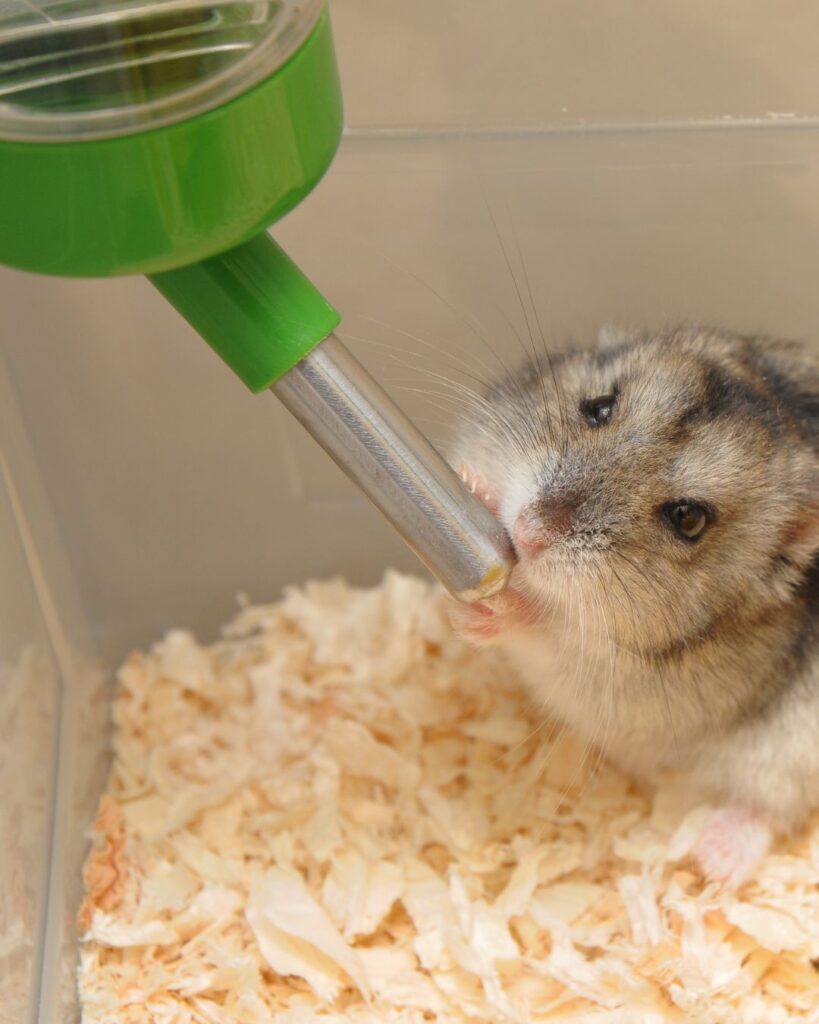
Clean, fresh water must always be available. A drinking bottle with a metal spout is usually the best option, as it helps keep the water clean. Remember to check and refill the bottle daily. It’s also worth noting that hamsters love to hoard food. Don’t be alarmed if you find little stashes hidden in corners or inside their nest—it’s perfectly natural behaviour!
Keeping Your Hamster Clean and Healthy
Hamsters are naturally clean animals and spend a lot of time grooming themselves. You don’t need to bathe them, as this can be very stressful and remove the natural oils from their fur. Instead, provide a small sand bath using chinchilla sand (never dust, which can cause breathing issues). Hamsters will roll around in the sand to keep their fur in good condition.
Spot-clean your hamster’s cage every day by removing soiled bedding and uneaten fresh food. A full cage clean is usually needed once a week. When cleaning, use pet-safe disinfectants and ensure everything is completely dry before reassembling the cage.
Keep an eye out for signs of illness such as wet tail (a serious condition in hamsters), changes in appetite, lethargy, or unusual lumps. If you notice anything concerning, consult a vet experienced with small animals as soon as possible.
Handling and Socialising
Hamsters can become very tame and enjoy interacting with their owners, but they need to be handled gently and regularly to build trust. It’s important to remember that hamsters are nocturnal, so they’re most active in the evening and at night. Try not to wake them during the day, as this can make them grumpy and more likely to bite.
Start by letting your hamster get used to your scent by placing your hand in the cage with some treats. Once they’re comfortable, you can gently scoop them up using both hands. Always supervise children when handling hamsters and teach them to be calm and patient.
Look After A Hamster By Providing Mental and Physical Stimulation
A bored hamster can become stressed or develop unwanted behaviours like bar-chewing. To prevent this, make sure your hamster has plenty of enrichment. Chew toys are essential, as a hamster’s teeth grow continuously and need to be worn down naturally. Tunnels, climbing frames, and cardboard tubes are also great ways to encourage exploration and exercise. You can occasionally rearrange the cage layout or offer new toys to keep your hamster’s environment exciting. Some hamsters also enjoy supervised time in a secure playpen or a large, enclosed area outside their cage.
Enjoy The Time You Look After A Hamster
Caring for a hamster is a rewarding experience and can help teach children valuable lessons about responsibility. Although they are small, hamsters have big personalities and specific needs. By providing the right cage, a healthy diet, regular enrichment, and lots of patience, you can ensure your little pet thrives and lives a happy life.