A Beginner’s Guide to Starting a Home Garden
Last Updated on: 10th October 2025, 08:13 pm
There’s something special about growing your own food and flowers. Watching a tiny seed sprout into a thriving plant is incredibly rewarding, and having fresh produce at your fingertips makes mealtimes even more satisfying. Many people assume you need a large garden to start growing plants, but that’s far from the truth. Whether you have a small back garden with fence posts, a balcony, or just a windowsill, there are plenty of ways of starting a home garden. It’s all about making the most of the space you have and choosing plants that suit your environment.
Having a garden that you can enjoy in the summer means you have somewhere to relax on the hot summer days. Can you imagine yourself relaxing in a hammock? Or maybe you want to invest in a hot tub to spend weekends with friends and family. Starting a home garden can completely change your lifestyle as well as your home.
If you’ve ever wanted to start your own home garden but didn’t know where to begin, this guide will walk you through everything you need to know—from selecting the right spot to caring for your plants throughout the seasons.
Choosing the Right Spot for Starting A Home Garden
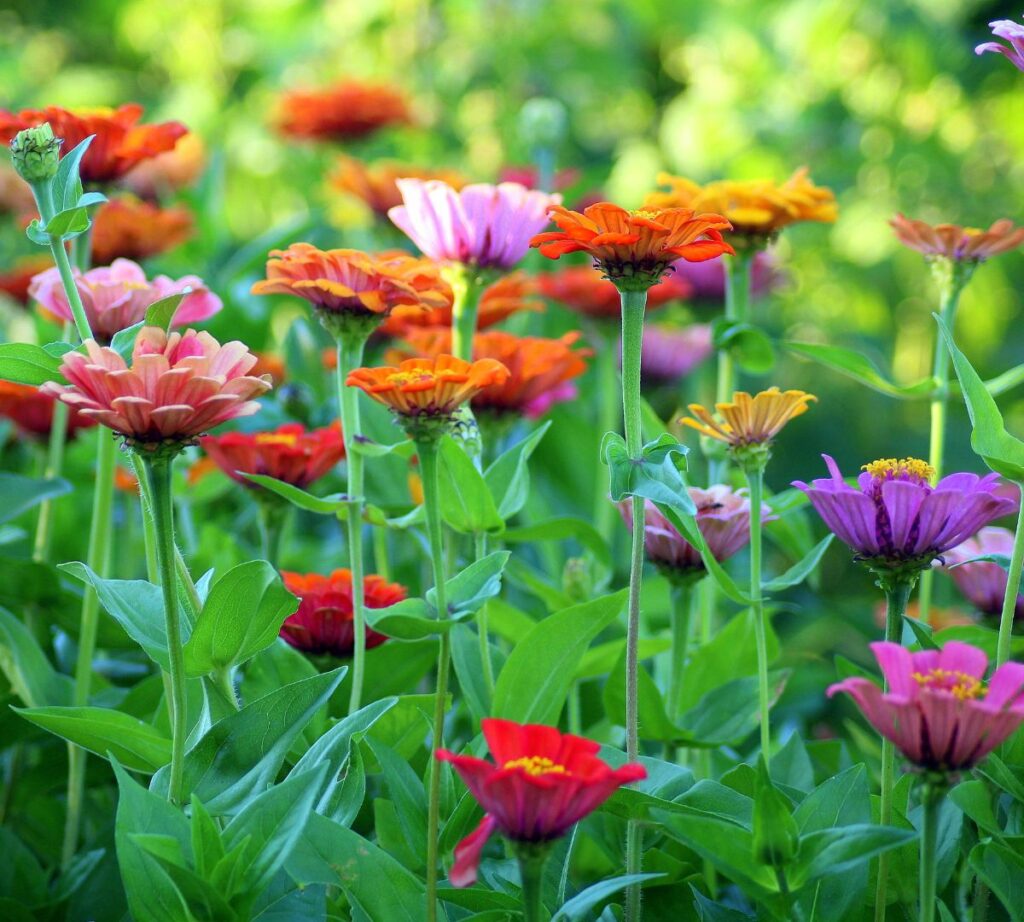
Before you start planting, it’s important to find the best location for your garden. Most plants need at least six hours of direct sunlight per day, so observe your outdoor space to see which areas receive the most light. South-facing spaces tend to get the most sun, while shaded areas may be better suited for shade-loving plants like ferns or lettuce.
If you don’t have much outdoor space, don’t worry—there are plenty of ways to make the most of smaller areas. Raised beds, vertical planters, and container gardening are all great options for small gardens. Even a sunny windowsill can be transformed into a mini herb garden.
Consider wind exposure as well. If your outdoor space is particularly windy, fragile plants may struggle to grow. A sheltered spot near a wall or fence can offer some protection, and lightweight pots can be weighed down with stones to prevent them from tipping over.
Essential Tools and Equipment
Starting a home garden doesn’t mean you need to buy every tool in the shop. A few essential items will help you get started:
- Hand trowel and fork – Perfect for planting, weeding, and loosening soil.
- Watering can or hose – Choose one with a fine spray to avoid damaging young plants.
- Pruning shears – Useful for trimming plants and harvesting herbs.
- Garden gloves – Protect your hands from dirt, thorns, and rough textures.
- Compost and soil – Healthy soil is key to strong plants, so invest in good-quality compost.
As you gain experience, you can expand your toolkit with items like trellises, plant supports, and decorative planters.
Selecting Plants for Your Garden
Choosing the right plants is crucial for success, especially if you’re just starting out. Some plants are more forgiving than others, making them perfect for beginners.
Easy-to-Grow Plants for Beginners:
- Herbs – Basil, mint, chives, and parsley are easy to grow and perfect for cooking.
- Salad leaves – Lettuce, rocket, and spinach grow quickly and can be harvested regularly.
- Tomatoes – They thrive in pots or grow bags and love a sunny spot.
- Strawberries – Great for small gardens and even hanging baskets.
- Courgettes – A high-yielding vegetable that grows well in containers or raised beds.
Maximising Your Growing Area For Starting A Home Garden
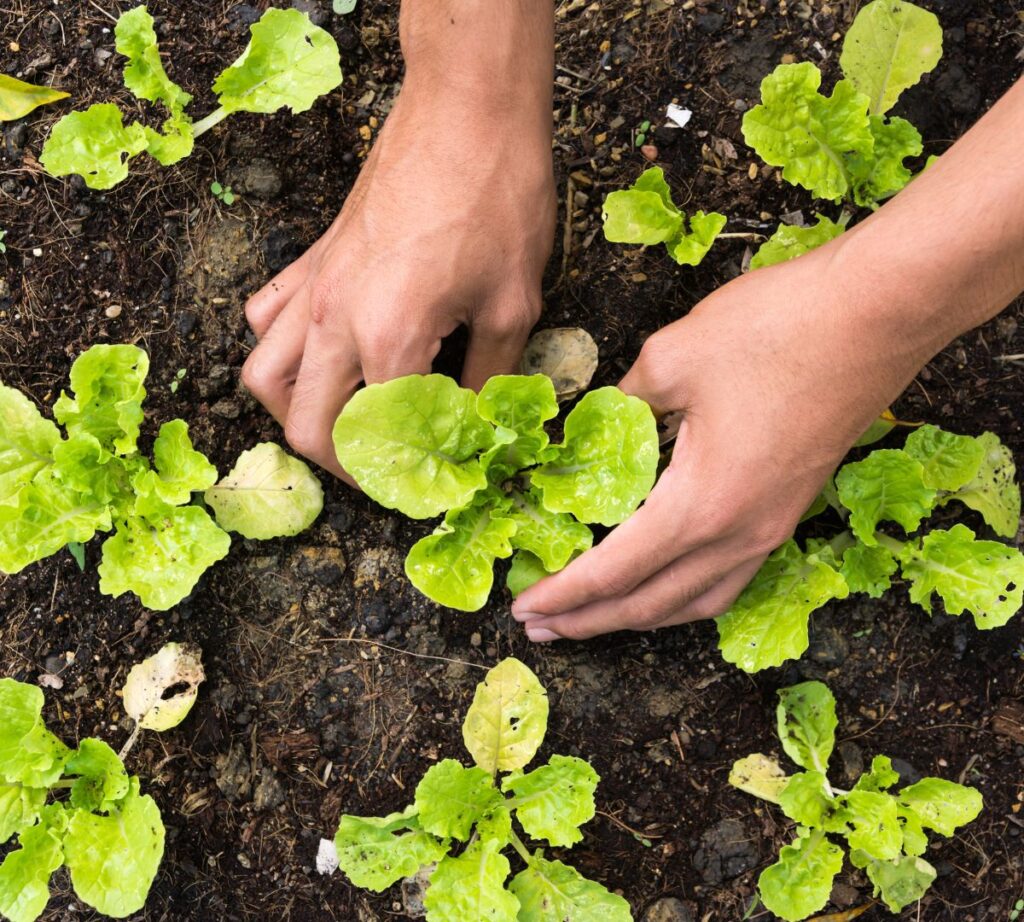
Not everyone has the luxury of a large garden, but that doesn’t mean you can’t grow a variety of plants. Even the smallest outdoor spaces, balconies, or patios can become productive growing areas with the right approach.
Making the most of vertical space is one of the easiest ways to expand your planting options. Trellises, wall-mounted planters, and hanging baskets allow plants to grow upwards instead of outwards, freeing up precious ground space for other crops. Climbing plants like beans, peas, and tomatoes thrive in these conditions and can yield a surprisingly large harvest with just a small footprint.
Choosing compact plant varieties is another effective way to maximise space. Many vegetables and fruits have dwarf versions that offer the same flavour and productivity as their full-sized counterparts. Strawberries, for example, can be grown in stacked containers, while miniature courgette plants fit neatly into small beds or large pots. Leafy greens such as lettuce, spinach, and rocket grow well in shallow containers, making them ideal for those with limited room.
For gardeners looking to extend their growing season or protect delicate plants, having a sheltered growing space can make all the difference. A small greenhouse is a practical solution for maintaining a controlled environment, shielding plants from harsh weather and allowing for early sowing. You can buy these greenhouses to suit different spaces and budgets, offering an easy way to make the most of a limited growing area. These compact structures fit neatly into smaller gardens while providing ample room for seedlings and tender crops. With the right setup, it’s possible to enjoy homegrown produce for a greater part of the year.
Gardening Through the Seasons
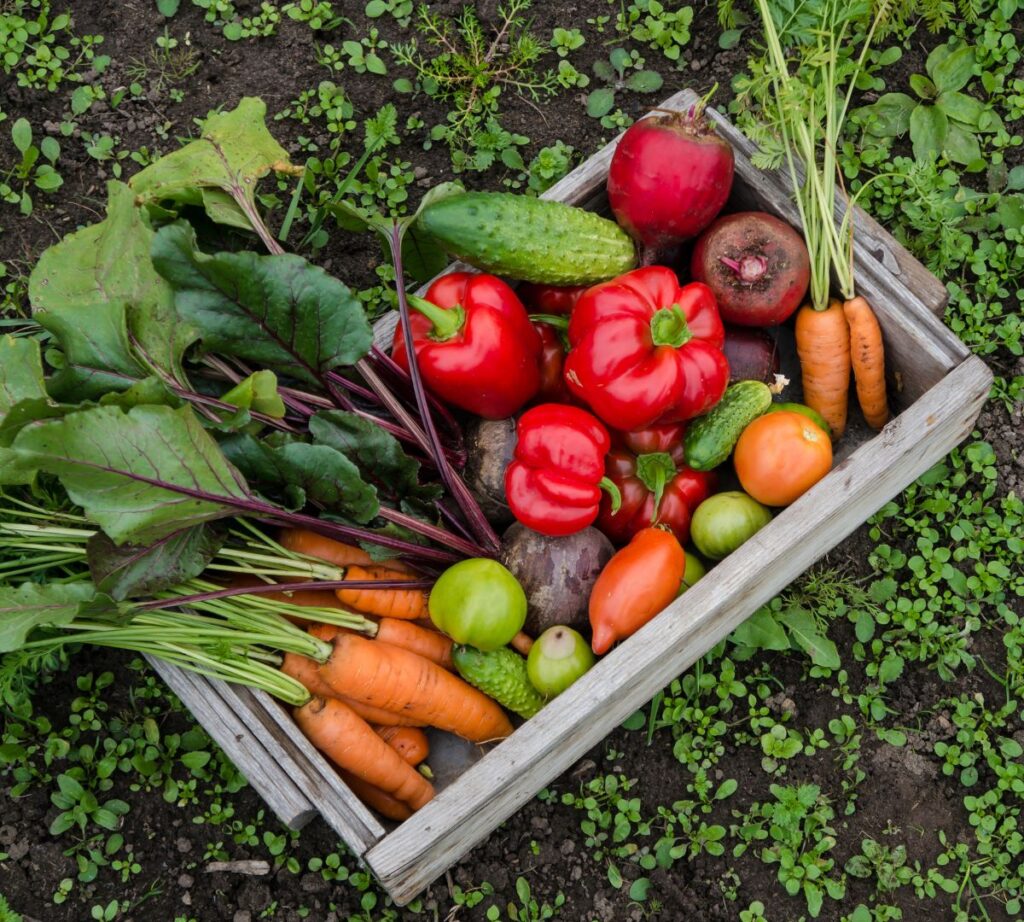
Each season brings different challenges and opportunities in the garden. Learning how to adapt to the changing weather ensures plants stay healthy throughout the year. Spring is the ideal time to plant fast-growing crops such as radishes, peas, and lettuce, taking advantage of the warmer temperatures and increased daylight. As summer arrives, tomatoes, cucumbers, and peppers begin to thrive, needing regular watering and feeding to support their growth.
Autumn is a transition period when some plants start to die back, but hardy vegetables like kale, Brussels sprouts, and leeks can continue growing well into winter. Protecting these crops from frost with cloches or horticultural fleece keeps them productive even in the colder months.
During winter, the focus shifts to maintaining soil health, composting, and planning for the next planting season. Taking the time to prepare the garden in advance makes it easier to start strong when spring arrives again.
Get Planting!
Starting a home garden is a rewarding experience that doesn’t require a large space or years of expertise. You can get someone in like G&G Fencing & Landscape Supplies to help with your garden needs. Of course, the process may involve some trial and error, but gardening is about learning as you go. Whether it’s a few pots on a balcony or a carefully planned vegetable patch, the joy of growing something with your own hands is always worth the time and patience.