
How To Do Train Travel In Europe – A Newbies Guide
Last Updated on: 21st February 2025, 07:13 pm
Train Travel in Europe
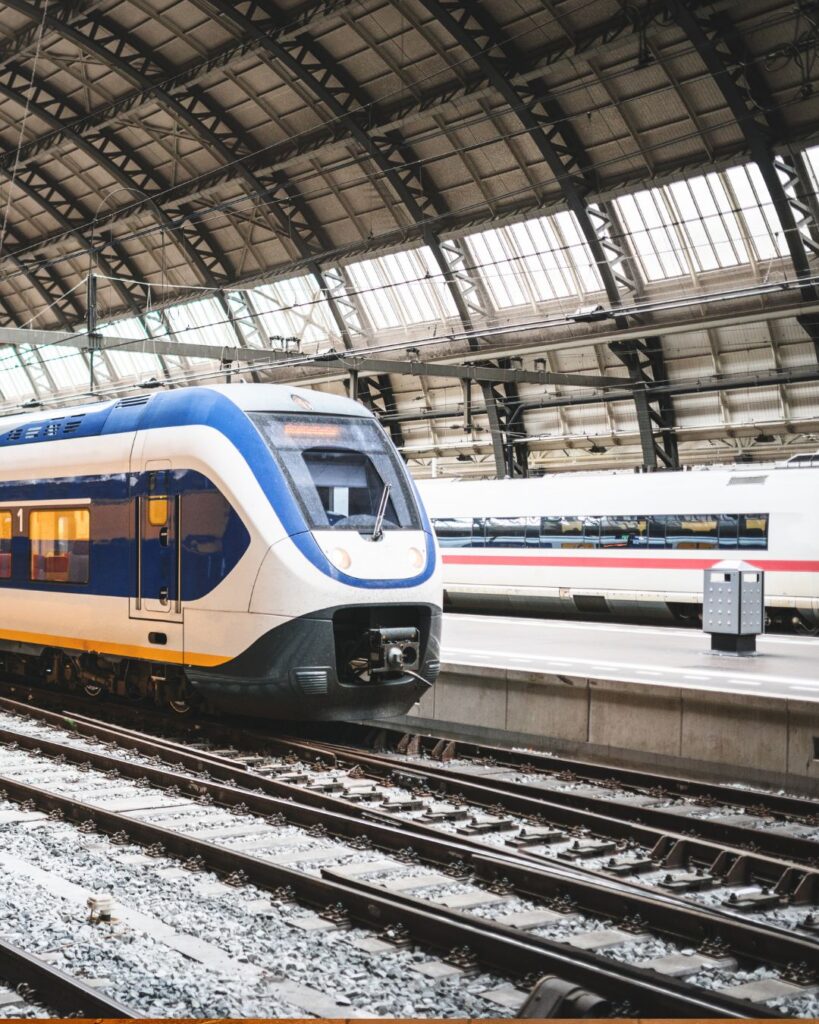
As someone who’s watched Tilly embrace European train adventures during her interrailing experiences, I’m excited to share our tried-and-tested tips for making the most of Europe’s extensive rail network. Whether you’re planning a family adventure or sending your teenager on their first solo journey, this guide will help you navigate train travel in Europe with confidence.
Planning Your Journey
The key to successful train travel in Europe starts with thorough planning. The European rail network is extensive, connecting major cities and picturesque villages across the continent. Start by downloading essential apps like Trainline or Rail Planner (the official Eurail/Interrail app).
These apps are lifesavers for real-time updates, platform changes, and booking tickets. From our experience, booking tickets at least two to three months in advance can save you significant money, especially on popular routes. And you are guaranteed a seat or couchette if you book in advance.
Choosing Your Rail Pass
If you’re planning multiple journeys, consider investing in an Interrail (for European residents) or Eurail (for non-European residents) pass. These passes offer flexible travel options, from 4 days within a month to 3 months of continuous travel. When Tilly started her interrailing adventure, we found that the pass quickly paid for itself, especially in countries like Switzerland and France where individual train tickets can be expensive.
If you are not sure if an Interrail pass is good value, you need to work out the individual journeys. You will usually find the pass pays for itself within a few days. Especially if you travel in western Europe where fares are generally higher.
Packing Smart for Train Travel
After numerous train journeys, we’ve perfected the art of packing. Always pack light – you’ll need to lift your luggage onto overhead racks and sometimes run for connections. Essential items for everyday use are:
- A small cross body bag for daily essentials like passports and money.
- Reusable water bottle (most European cities have water fountains, to fill up before the train)
- Portable charger and phone lead
- European plug adapter to plug your electricals up on the train
- Downloadable entertainment like movies and music (train WiFi can be unreliable)
- Light snacks (though many trains have dining cars, but for longer journeys, bring sandwiches too)
- Eye mask and neck pillow for overnight journeys
Navigating Train Stations
European train stations can be overwhelming, but they’re generally well-organised. Arrive at least 30 minutes before departure for regular trains and 45 minutes for high-speed services. Look for the departure boards (usually yellow in colour) and match your train number. The train number is important because sometimes 2 trains leave to a destination at the same time.
Platforms might be called something else in different countries, like Tracks, Perrons etc. Platform numbers are typically announced 10-15 minutes before departure in some stations but you can also look on timetables that are published everyday. The trains are usually very long travelling through Europe too, especially the sleeper trains. But there are Many stations have luggage lockers if you want to explore cities between connections.
On-Board Experience Different European countries offer varying levels of train comfort. High-speed trains like France’s TGV, Germany’s ICE, and Italy’s Frecciarossa provide comfortable seating, power outlets, and often WiFi. Regional trains are more basic but offer great views of the countryside. First-class tickets usually include more legroom, quieter carriages, and sometimes complimentary refreshments.
Money-Saving Tips
Through our travels, we’ve discovered several ways to save money, and we wanted to share them with you. When you are looking at saving money, you do need to be savvy, because what looks like a good deal, could work out quite expensive.
- Book tickets during off-peak times to save some money. Peak times are usually times when people need the trains to get to work.
- Look for group discounts if traveling with family or get a local railcard if you are travelling a lot in one country.
- Consider overnight trains to save on accommodation, they can be rough but they save a lot of money and you get to meet other interesting travellers.
- Use rail passes strategically on expensive routes, I cannot recommend Interrail/ Eurail enough.
- Sign up for railway company newsletters for special offers and discounts.
- Buying train tickets in advance will save you lots of money. But it will also be for a set train and none refundable. So you cannot ride another train and if you miss it, you will need to buy a new ticket.
- Take snacks and drinks on the train to avoid overpriced train café food.
Safety And Etiquette With Train Travel In Europe
European trains are generally very safe, but it’s important to remember your basic safety stuff. Afterall you don’t want to be in a foreign country without a passport. Firstly, make sure you keep your valuables close, especially in busy stations. A cross body bag works well for this. Make sure that you validate your ticket before boarding where it’s required (particularly in Italy). You can get a hefty fine. Also make sure your Interrail/Eurail pass is activated for the day before you get on the train. Respect quiet zones in carriages, people are sitting there for a reason. Keep your ticket accessible for regular checks, especially if you are travelling between countries. Be mindful of reserved seating arrangements, if you get on a seat thats been reserved, please remember that someone paid to reserve it. Finally, i have seen this many times, especially in Italy with American tourists. DO NOT put your luggage on the seats. The seats are for people to sit, and Italian people have to stand in aisles because the tourists use the seats for luggage.
Making the Most of Your Journey
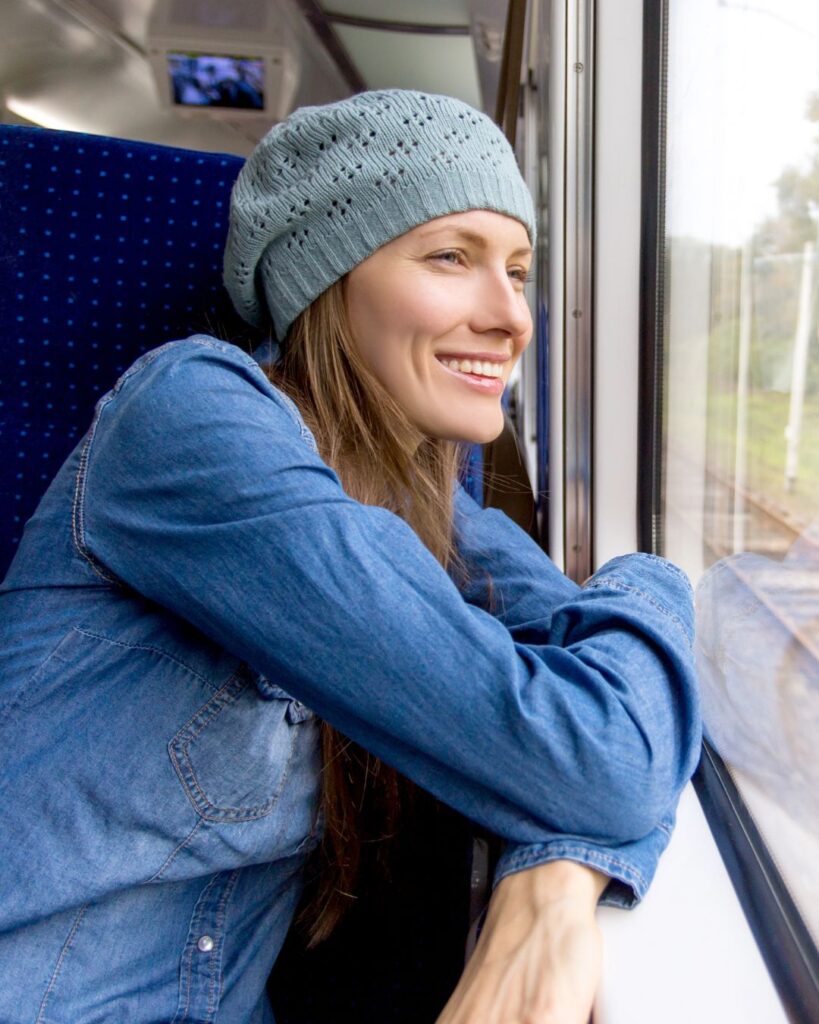
Train travel isn’t just about reaching your destination – it’s part of the adventure. Some awesome things to look out for are
- Stunning views through the Swiss Alps
- Meeting fellow travellers in dining cars or couchettes
- Watching sunrise over different European landscapes
- Spontaneous stops in unexpected places, have a plan, but also change it as you travel.
- The excitement of crossing borders by rail
Now you are ready for your train journey, let me know in the comments where you are going.