
How To Make Dark Rooms Feel Happier And Healthier
Last Updated on: 5th September 2025, 07:49 am
Dark rooms can make a home less comfortable and sometimes affect how people feel. With less daylight, spaces may seem unwelcoming and even smaller. Many homes in the UK deal with this, especially during winter, when sunlight is limited. Lack of daylight does more than change how a room looks. Sunlight helps people sleep better and helps the body make vitamin D, both important for feeling good and staying healthy. Spending time in natural light can improve sleep quality and support vitamin D production, which is needed for overall well-being.
The good news is there are clear ways to make darker rooms feel brighter and more cheerful. With a few simple changes and modern solutions, any gloomy room can look fresher. Brighter spaces make a big difference for everyone in the family.
Why Dark Rooms Affect Your Family’s Wellbeing
Natural light helps the body keep a steady routine. Spending a lot of time in dark rooms can make it harder to keep regular sleep habits. It can also cause people to feel tired during the day. Exposure to light helps reset the body’s natural clock, making it easier to fall asleep and wake up at the right times.
Children feel the difference even more, both when playing and learning. Well-lit rooms help them stay focused and keep regular habits. A brighter living room or playroom can improve mood and energy levels. Sunlight helps the body make vitamin D, which keeps bones and the immune system healthy. Getting enough sunlight is important for feeling good. This is harder during cold British winters. Dark spaces might leave family members feeling tired, which is common when the days are short. Some people notice lower energy or mood in winter, which can be linked to less sunlight and shorter days.
Quick Fixes For Instantly Brighter Rooms
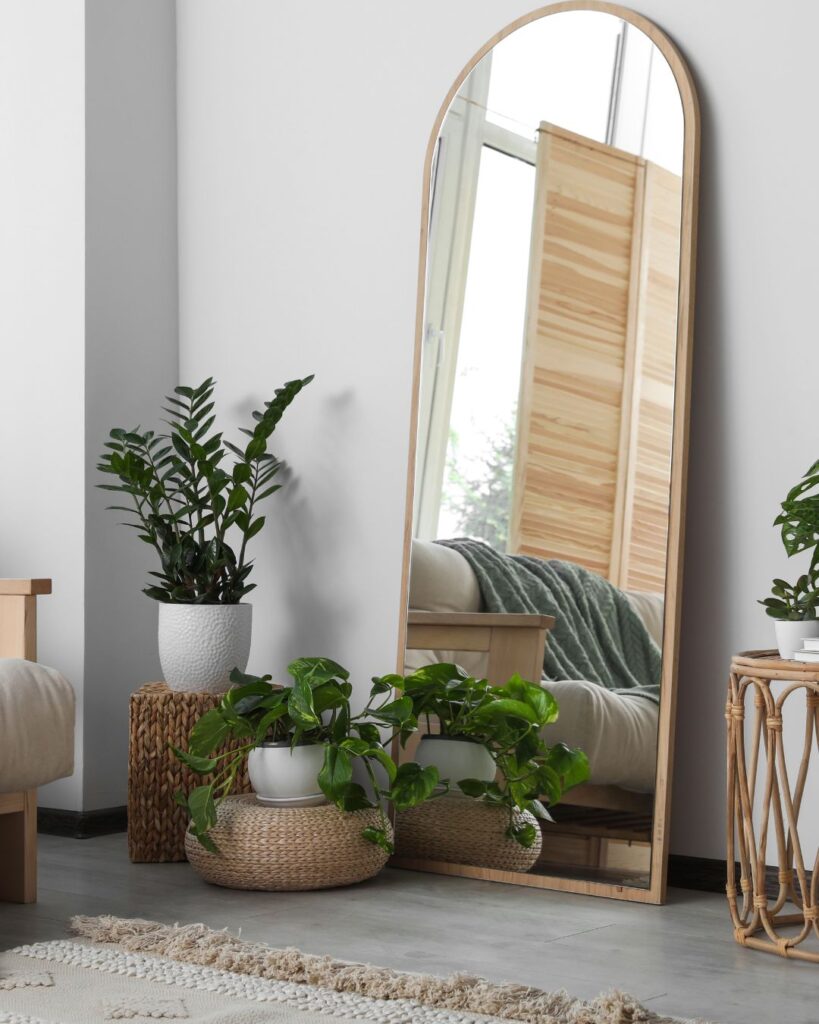
Mirrors spread daylight through a room. Many designers suggest putting a large mirror across from the main window. One Manchester family said their north-facing dining room felt much brighter after trying this tip. Picking lighter paint helps a room feel brighter right away. Soft white or light grey paint reflects sunlight and makes a space look bigger. In Norwich, painting a hallway off-white made the entrance feel much friendlier. Curtains and blinds matter a lot. Swapping out heavy curtains for thin, light ones lets more daylight inside, even if privacy is a must. People in Nottingham found their lounge was brighter after this small update.
Moving furniture can also make a difference. A family in Reading moved a tall bookcase away from the window. The whole room instantly seemed lighter and more open. If sunlight is hard to get, daylight bulbs can help. This is especially true in rooms without windows.
Colour Psychology For Brighter-Feeling Spaces
Wall colour can change both light levels and how a room feels. Many people in the UK believe colour affects mood at home. Using cool white or light blue-grey paint can make a space seem bigger and fresher. A homeowner in Manchester placed mustard-coloured cushions and artwork in a blue-grey lounge. Friends quickly noticed a livelier feel. Small changes to colours can lift a space.
Dark floors can soak up too much light. If the floor can’t be replaced, putting down a big light rug can help bounce sunlight upward. Many designers suggest this as a simple fix for dark halls. Using lighter or painted furniture helps sunlight fill the room. Adding white frames or mirrors on the walls works well with other changes. This gives an even bigger daylight effect.
Structural Solutions For Permanent Light Improvement For Dark Rooms
If small updates make only a little difference, modern Daylight Systems like roof lanterns and skylights bring sunlight from above into rooms that are usually dark. Roof lanterns are great for UK house extensions or ground-floor rooms. These sit on flat roofs and bring in sunlight from all sides. Busy family spaces can feel brighter throughout the day.
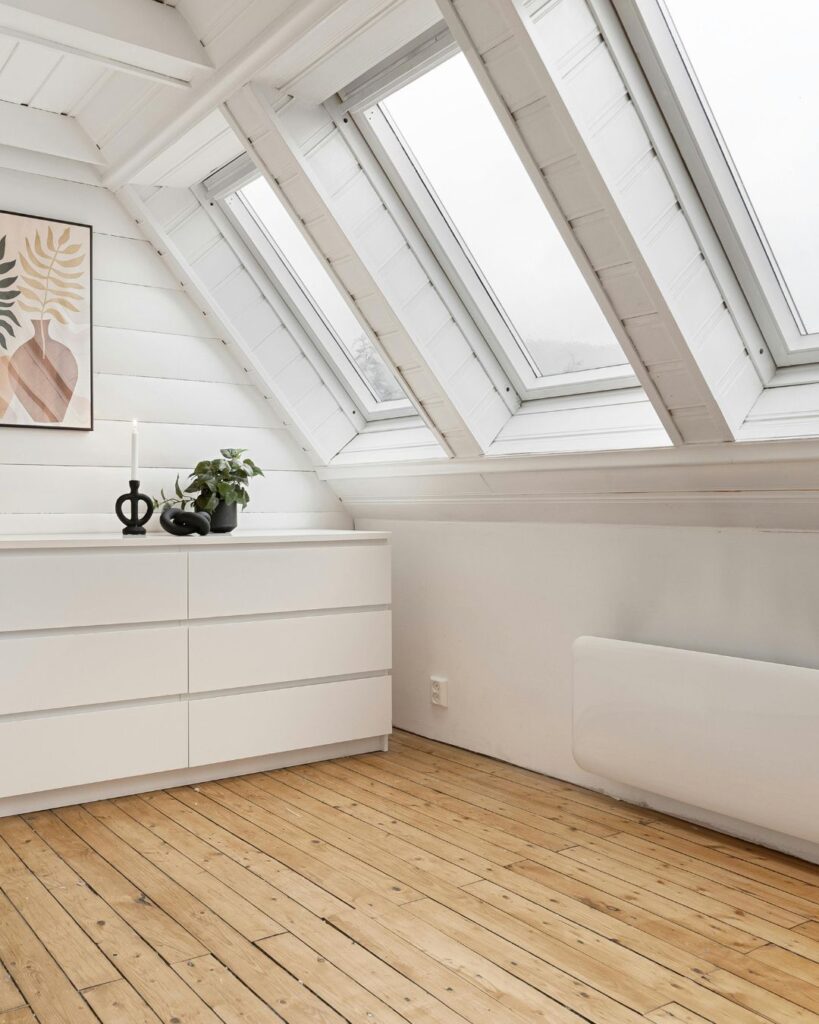
Skylights suit most homes with sloped roofs. Adding one in an attic or a new loft space can let in more daylight. This may also help with heat retention. Sun tunnels, also called light tubes, work for rooms in the middle of the house. These pull daylight from the roof and send it down reflective tubes. Even windowless spaces can benefit from this approach. These choices often need only a little building work. Many UK homes add roof windows or roof lanterns without needing planning permission. Checking building rules is still wise and ensures the room stays warm and safe.

Choosing The Right Daylight Solution For Your Dark Rooms
Selecting the most suitable daylight system depends on the room and its function. Some guides suggest roof lanterns on flat extensions can let in more daylight than regular windows of the same size. Standard skylights work best on sloped roofs. Roof lanterns or flat glass rooflights are often chosen for flat kitchen or dining extensions. Ensuring a good fit for each room helps every space feel as bright as possible.
Bathrooms and stairways upstairs often benefit from skylights. Sun tunnels are best for downstairs rooms. Some householders pick tinted glass for less heat in summer, or select extra-strong glass for warmth and safety, following British building advice. Some daylight upgrades may help homes sell more quickly or for better prices. Many families also noticed lower bills afterwards. That can make the decision easier when planning for the long term.
The Health Benefits Of More Natural Light
Spending time in bright rooms can have positive effects on health. Sunlight guides the body’s daily rhythm and supports vitamin D production. Both are needed for strong bones and healthy immune function. These benefits may be especially important during winter, when everyone spends extra time inside.
Natural light is also thought to boost mood and support mental health. Some research suggests that exposure to certain types of light can lift mood and reduce drowsiness during the winter months. Healthy, welcoming homes often start with small design changes and, where practical, daylight systems. For more information on improving natural light in your home, consult official guidance or local building resources. Every light-filled space helps make family life healthier and brighter throughout the year.