
How To Make Moving House With Kids A Little Easier

Last Updated on: 8th December 2025, 11:12 am
How To Make Moving House Easier
Moving house is one of those life events that feels exciting and chaotic all at once. It’s not a surprise that it’s listed as one of the most stressful things a person can go through, and there’s a lot of pressure on finding the right house (and not regretting your move afterwards). While adults can process all of these emotions fairly well, children struggle a little bit more, so moving house can be a proper emotional rollercoaster for them. Their home is their safe place, their little world, so moving can be a huge thing (and one that they don’t necessarily understand).
With a bit of thought, planning and reassurance, you can help them feel secure and even a tiny bit excited about the change. Below, you’ll find some ways you can make moving house with kids a bit easier, and how to make the transition as smooth as possible.
Step 1: Start The Conversation Early
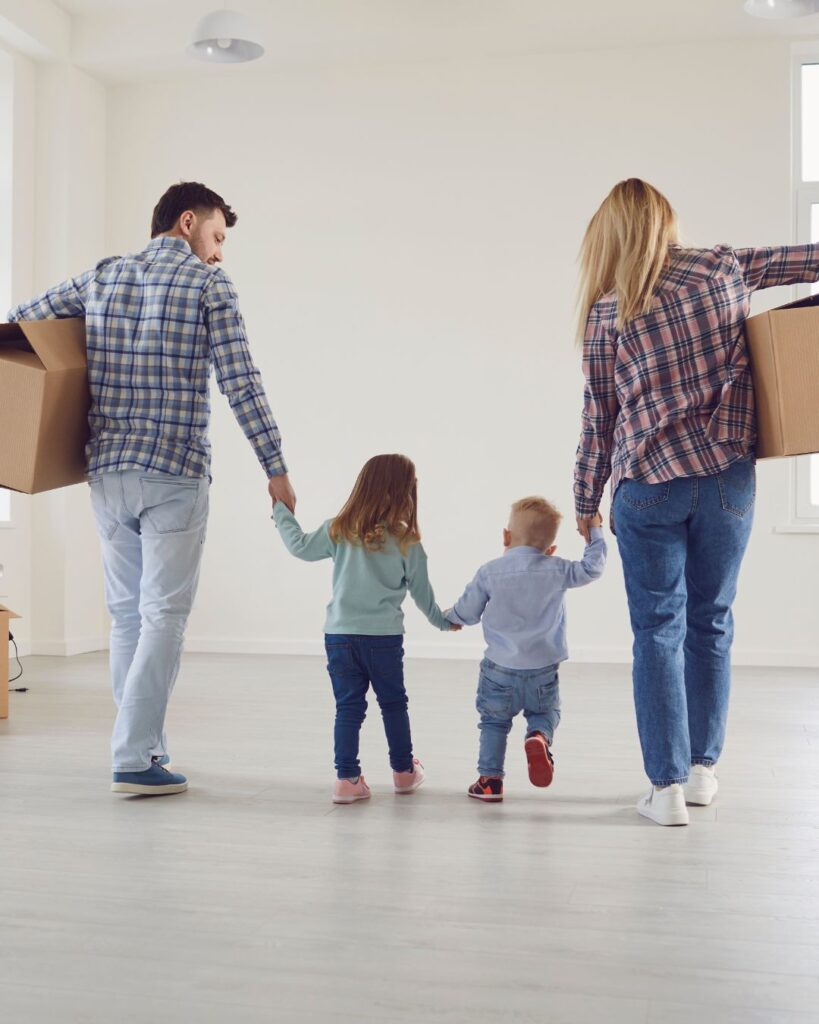
Children need time to process big changes, so I’d suggest that you mention the move early on, even if the boxes aren’t out yet. Repeatedly explain that you will be moving to a lovely new home so that a new family can move into yours. Make it as magical as possible by explaining how many new memories they can make, and hype it up as much as possible (“big garden!”, “big girl/boy bedroom!”, “a playroom!”).
Young children generally think “home” is something alive or permanent, so telling them gently and in advance helps them adjust. Older kids might need space to ask bigger questions: “Will I still see my friends?”, “What about school?”, “Why do we have to move?”, “Is our pet moving with us?” .
Try to encourage honesty from everybody (yep, even yourself!) and share your feelings during a time that’s easiest for you, probably around the dinner table. You can then reassure them that the whole family is doing this together.
Step 2: Use Books, Stories And Play For Younger Children
Children generally process their emotions through play, so you can use playtime to help them understand the physical act of moving house. Use dolls, teddies or toy houses to demonstrate one family moving out and going somewhere different. This can help the whole situation feel less abstract and allows them to visualise what’s going to happen. You could even roleplay loading the boxes into the moving van.
There are also some brilliant picture books about moving house, perfect for winding-down time or starting gentle conversations without it feeling too serious.
Step 3: Give Them Something To Look Forward To
Kids cope far better when they know what’s coming next. So over the next few weeks, give them little snippets of information about the new house. This could include showing them photos, telling them about the layout, explaining how there’s a big park nearby, or pointing out something fun about the house (“it has a massive round window in the hallway”).
Children work well with visuals, so anything you can tell or show them about the new house is going to be beneficial. When you move in, they’ll be able to recognise these features. With older children, involve them in exploring the new neighbourhood online. Look up playgrounds, cafes, bookshops, soft play, swimming pools, anything that might help build a sense of excitement rather than dread. You could even do a drive-by and point out your new house to them.
Step 4: Create A Memory Tour Of Your Existing House
Saying goodbye is as big a part of moving as saying hello to the new house. Before you move, you should walk around the house as a family and revisit any particularly important spots.
You could visit:
- The corner where they would build forts
- The height chart on the doorframe
- The fence they repeatedly kicked a ball into
- The bedroom reading nook
- The hallway where the morning school chaos always unfolded.
Let them tell you what mattered. You’ll often be surprised at what they remember and it gives you a lovely chance to honour those memories with them.

Step 5: Make A Memory Box
Children love to collect things, from old shoelaces to rocks they found in the garden. A memory box can give them something really tangible to hold onto, so let them collect anything they think represents their old home (drawings, printed photos, a leaf or pebble from the garden, a sticker from their bedroom wall) and put them into a special memory box. You can add a few bits too, like a family photo or a little note about what you loved in that house. It becomes a comfort item they can turn to when the move feels a bit overwhelming.
Step 6: Involve Them In The Packing
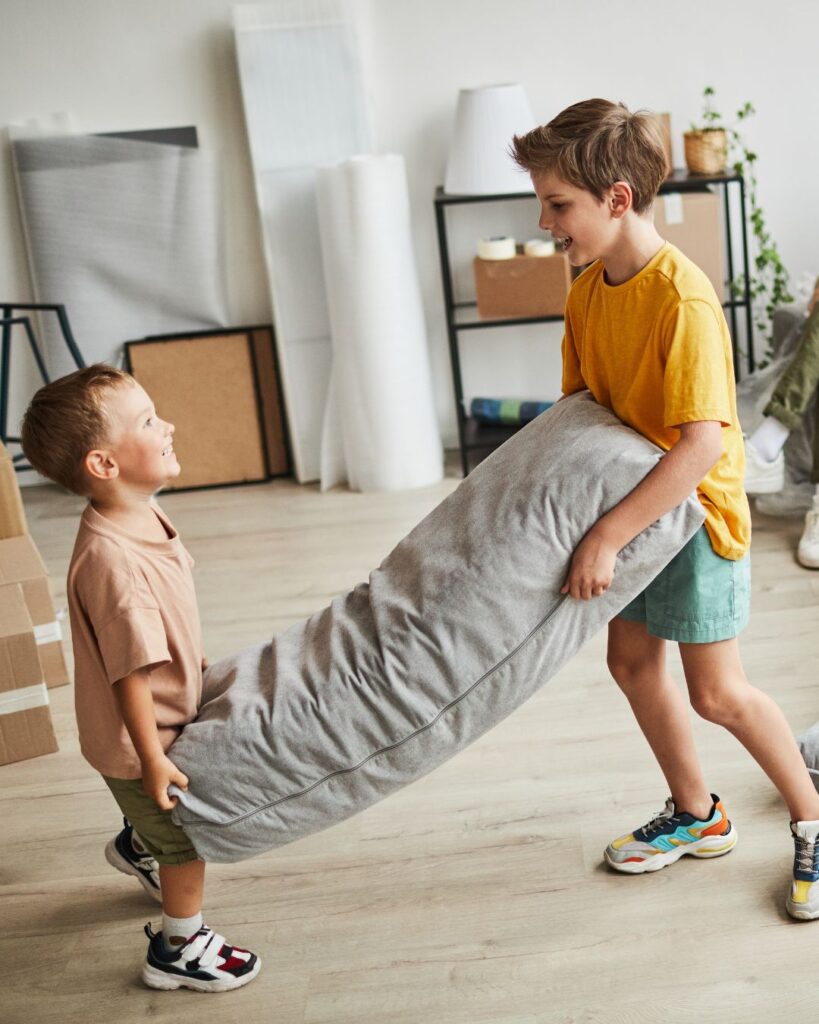
I know, packing is a job best completed by adults. But children cope better when they feel like they’re being included, so give them a job to do! This could include:
- Packing soft toys into a box
- Decorating their box with stickers
- Choosing which toys or books travel with them in the car
- Selecting the colour for labels on their things.
It helps them understand that you’re not taking their belongings away, just moving them, and it gives them a little sense of control when everything else feels unfamiliar.
Step 7: Keep Their Routine Where Possible
The lead-up to a move can feel chaotic, but try to keep mealtimes, bedtimes and weekend patterns as normal as possible. Routines make children feel safe so you’ll be easing them through this process by maintaining some normalcy. If bedtime snuggles or a particular storybook are sacred, keep them going right through the packing madness.
Step 8: Plan The Final Goodbye To The House
Moving day can be emotional for everyone, particularly if you’ve lived in your house for a long time and made a tonne of memories there. Saying goodbye can make everything feel real, for both you and the kids. You might take a family photo at the front door, have a last picnic on the floor, or just say thank you to the home out loud for keeping you safe. It doesn’t need to be overly sentimental or sad, just a moment that acknowledges the end of a chapter. Children often respond beautifully to simple rituals like this.
How To Help A Child Settle Into Their New House
Once you’ve moved house, it can then be a tricky transition to settle your child into their new house (and their new bedroom). Here are my top tips for ensuring those first few nights are trouble-free.
1. Walk them through their new house
If you have the time, I’d recommend that you give them a house tour before you unpack a million boxes into the new house. The empty rooms may give them a proper feeling for the place. You can talk about where some of your belongings will go, or even ask their opinion to make them feel involved. Show them where the cereal will live, where you’ll put the shoes, where bedtime books will go. Small explanations make the strange feel familiar.
2. Make their new room your first priority
When you arrive at the new place, unpack their belongings first. Get their bedding on, favourite toys out, nightlight plugged in, and curtains up if you can manage it. Going to bed in a room that already feels like theirs makes the first night far less daunting. Meanwhile, you can deal with the kettle, Wi-Fi and kitchen chaos once they’re settled.
3. Keep talking, even after the move
Children often cope surprisingly well for the first few days, then wobble later once the novelty wears off. It’s best to continuously check in on them, and ask open questions like “How are you feeling about the new house today?” or “What’s your favourite bit so far?”. Remind them that it’s totally normal to feel mixed emotions. If they miss the old house, talk about it with kindness rather than brushing it off. Their memories matter, and the new house will soon feel like home, too.
Moving house is a huge milestone, and for children, it’s wrapped up in emotions they don’t always have the words for. With time, reassurance and a few thoughtful rituals, you can help them feel safe and supported as they say goodbye to the old and settle into the new. Before long, they’ll be building new memories, claiming new favourite spots and filling the place with the same chaos, laughter and treasures that made your last house a home.
This post was provided by Sarah who writes for Speaking of Housing, a UK property blog that has no jargon or nonsense!