How To Live As A Multicultural Family In The UK
Last Updated on: 14th November 2025, 09:07 pm
Today, we have a guest post from the lovely Georgia, who lives in a Multicultural family in the UK. As you may know, my own son married his Dutch wife and lives in the Netherlands. Being a multicultural family in 2025 and beyond is an incredibly enriching life experience. You get the best of both worlds, and the children grow up knowing 2 different types of lives. Georgia is a lifestyle blogger from England, raising two little ones with her Lithuanian husband. She writes about family, culture, and modern motherhood at georgiaanne.co.uk. Please take a moment to read about her life.
We Didn’t Look Like A Multicultural Family Until We Became One
I met my husband when we were in school. He knew me, I knew him, but from Year 7 to Year 11, we spoke exactly once, and so briefly that he doesn’t even remember it. I knew him as the loud, energetic, anime-loving guy who happened to be mates with one of my high school boyfriends.
After school ended and those teenage relationships faded away, I began to notice how much we actually had in common. I ended up striking up what can only be described as an unusual Facebook-based friendship, mostly by tagging him in anime posts I thought he’d find funny. Eventually, we went on a date, drifted apart for a few years, and then reconnected properly in our twenties.
The rest unfolded naturally: two children, a wedding, and a life built together. And woven through all of it is his Lithuanian heritage.
Naming Our Son: The First Little Blend Of Two Cultures
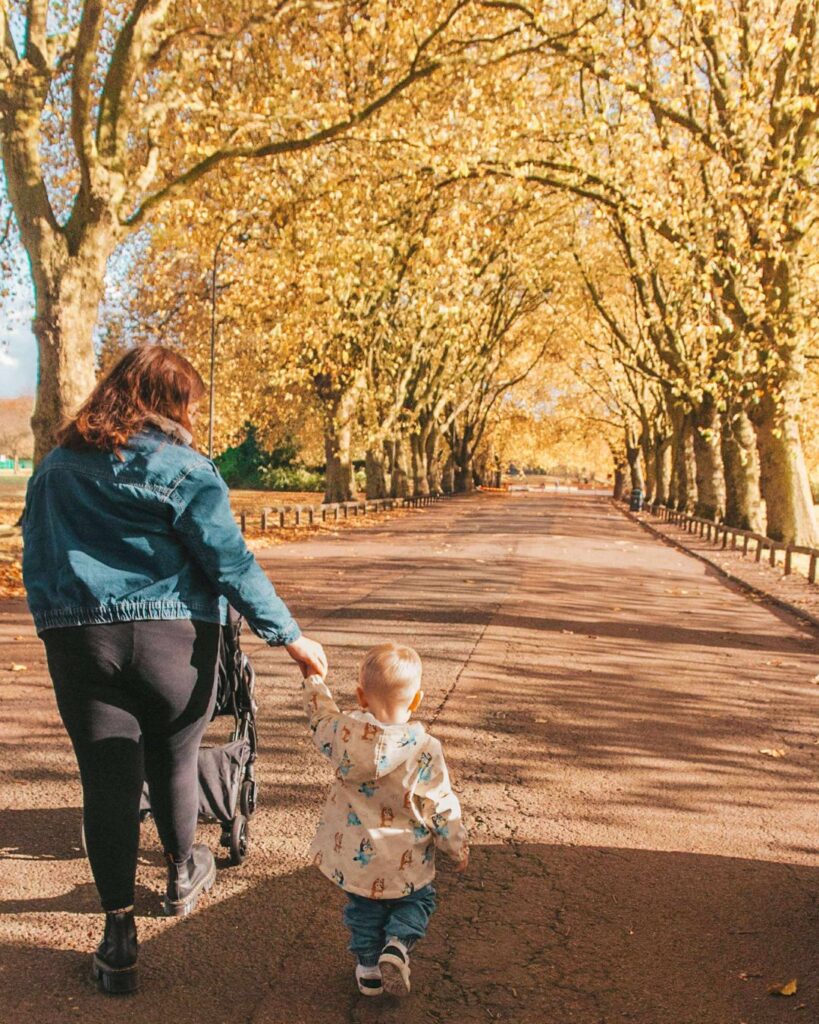
During my first pregnancy, I knew I wanted a name that felt familiar to English speakers but also paid homage to Lithuania. My husband’s name is Oskar (not “Oscar”), and I’ve always loved the name Lucas. I asked him how it was usually spelt in Lithuania, and when he told me “Lukas” was more common, something clicked. I liked the fact that it nodded to Lithuania, but also found it really cute that “Oskar and Lukas” seemed to go together.
And that’s how we ended up with our Lukas, a name that sits comfortably in both of his worlds.
Keeping the Language Alive (Even Though I Don’t Speak It)
I’ve always been honest about the fact that I can’t speak Lithuanian when people ask, but from the beginning, I wanted our children to at least understand the sound of their dad’s language. With our daughter Freya, even though her name isn’t Lithuanian, we decided we’d keep the same approach: language, stories, music, and traditions passed down in whatever ways we could manage.
One of the easiest ways has been music. I’m a big fan of alternative and metal music, but my husband introduced me to Jauti, a Lithuanian band whose music I genuinely enjoy. They sit comfortably in that alternative genre, so it tickles my fancy, so to speak. They sing entirely in Lithuanian, so the kids get to hear the language through songs even when their dad isn’t home to speak it.
We also have children’s books in Lithuanian. I can give them a go, but my pronunciation is… generous at best. So that’s firmly a “dad job,” and the kids love it.
Realising We Are A Multicultural Family Even If We Don’t Fit the Stereotype
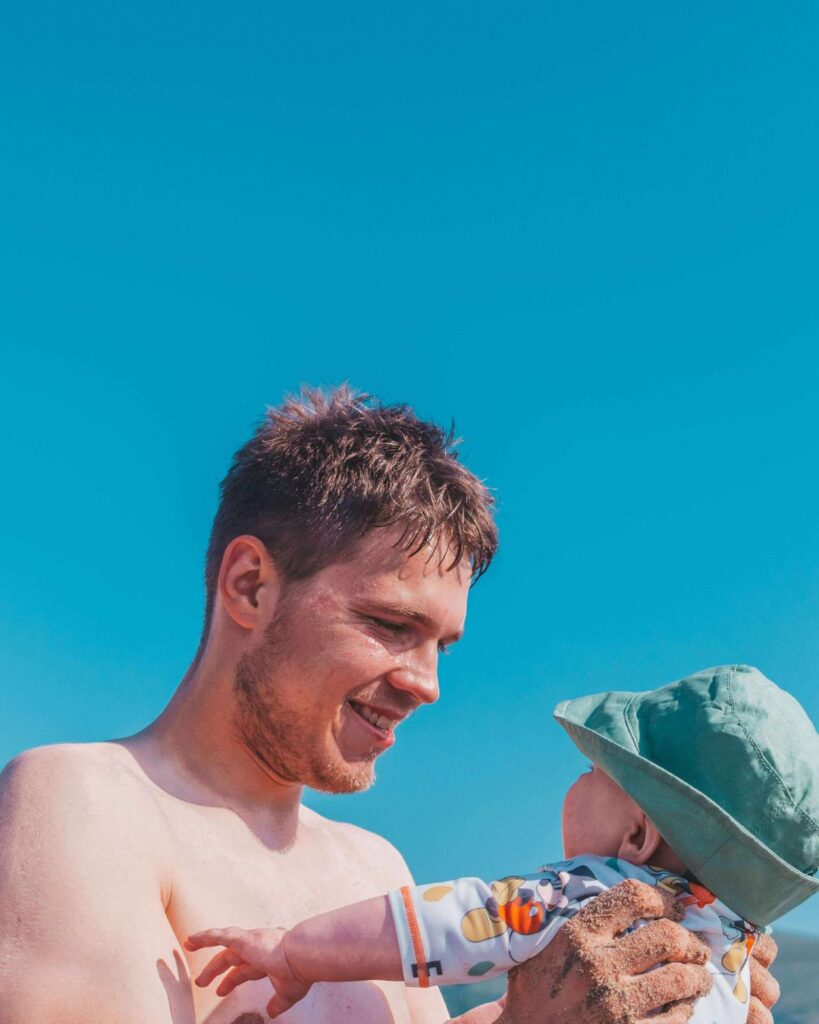
We don’t look like the “typical” idea people picture when you say “multicultural family.”
However, our children experience life through two distinct cultural lenses.
They get British routines, food, humour, and traditions, as well as Lithuanian stories, language, values, and celebrations. And the more they grow, the more I see how lucky they are to have that. It keeps some of the magic alive in a way.
Blending Lithuanian and British Traditions
Christmas is a perfect example. Lithuanian Christmas Eve (Kūčios) traditionally centres around a special meal, family togetherness, and certain foods that are part of their culture. My husband has also told me that this is typically a day of cleansing, Lithuanians will clean their homes to be spotless, and themselves as well. Bathing is an essential part of the tradition. In the years I’ve been with my husband, he has also abstained from eating meat on Christmas Eve.
Meanwhile, the British side gathers around the big Christmas dinner, stockings, and presents on Christmas morning. Our kids get to experience both, and somehow, the mix feels completely natural.
Raising Children Who Belong to Two Worlds
Watching our children grow up with both cultures has been such a joy. It matters to us that they feel rooted in both sides of their identity, even though we live in England and most of our day-to-day life naturally follows English norms. Learning about Lithuanian traditions connects me more deeply to my husband, and in turn, helps me show our children where they come from on his side of the family. It’s been a learning curve for all of us, in the best possible way. We never set out thinking, “We’re going to raise a multicultural family.” But here we are! I wouldn’t want it any other way.