How To Visit The Scottish Highlands in Winter

Last Updated on: 26th February 2026, 10:17 am
What No One Tells You About Visiting The Scottish Highlands in Winter
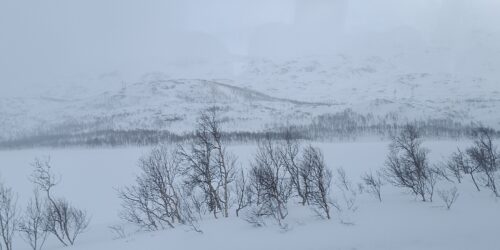
Picture this: a single-track road winding through a valley blanketed in snow, no other car in sight, the sky streaked in shades of violet and amber as the sun hangs low on the horizon. To your left, a frozen loch mirrors the mountains above it — their peaks dusted white, jagged and silent. This is the Scottish Highlands in winter, unlike anywhere else on earth.
Most travellers flock to the Highlands in summer, chasing the long days and green glens. But those who venture north in the colder months discover something richer — a wilder, more atmospheric version of one of Britain’s most dramatic landscapes. Crowds disappear, prices drop, and the scenery takes on an almost cinematic quality.
But winter in the Highlands demands respect and preparation. Most travel guides cover the basics — bring a coat, book ahead. What they skip are the details that actually make or break a winter trip. Here is what you really need to know.
The Weather Is More Unpredictable Than You Think
Temperature ranges and what “cold” really means in the Scottish Highlands
Winter temperatures in the Scottish Highlands typically range from -5°C to 7°C, but that number alone does not tell the full story. At altitude, on exposed ridges, or near the coast, it can feel significantly colder. The Cairngorm plateau regularly records some of the lowest temperatures in the UK, and even in valley towns like Fort William or Inverness, a clear night can bring a sharp, biting cold that catches visitors off guard.
How quickly conditions can change in a single day in the Scottish Highlands
One of the most important things to understand is that Highland weather does not stay still. A bright, clear morning can turn into a whiteout blizzard by early afternoon. Fog can roll in from nowhere and reduce visibility to near zero in minutes. If you are heading into the hills or along remote roads, always check the forecast before you leave — and check it again before you set off.
Layering strategy and what clothing to prioritise
Forget packing a single heavy coat. The layering system is your best friend in the Highlands. Start with a moisture-wicking base layer, add an insulating mid-layer such as a fleece or down gilet, and top with a waterproof, windproof outer shell. Merino wool is particularly effective as a base as it regulates temperature in both cold and warm conditions. Pack more layers than you think you will need.
Wind chill factor in open Scottish Highlands terrain
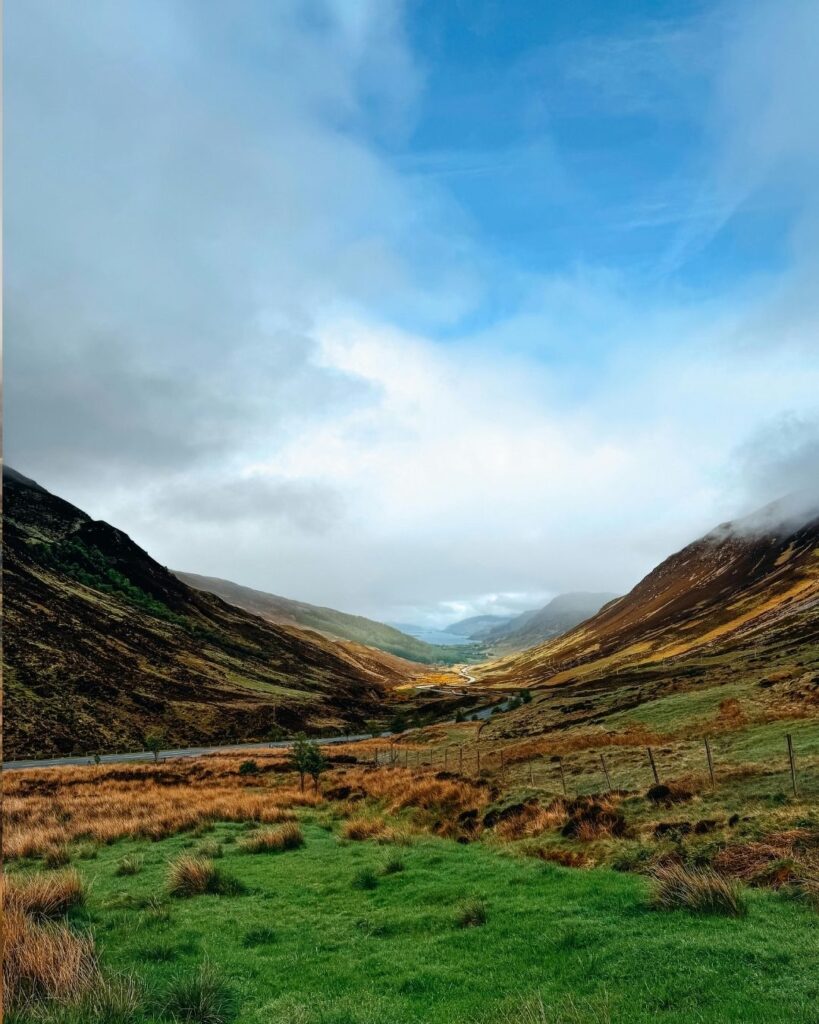
The Highlands are notoriously open and exposed. On a hilltop or across a moorland stretch, the wind can transform a 2°C day into a feels-like temperature of -10°C or colder. Wind chill is one of the biggest risks for walkers and drivers who underestimate conditions. Always factor it into your clothing choices and activity plans.
Your Gear Can Make Or Break The Trip To The Scottish Highlands
Footwear for icy and muddy terrain
Trainers and casual boots will let you down fast. The Highlands in winter mean icy paths, waterlogged moorland, and frozen ground that thaws into deep mud by midday. Invest in waterproof, insulated walking boots with good ankle support and a grippy sole. If you plan any hillwalking, consider gaiters to keep snow and mud out of your boots.
The importance of protective accessories in snowy, high-glare environments
This is one of the most overlooked aspects of winter travel in the Highlands. When snow covers the ground and the sun is low in the sky, the glare can be intense and relentless. Quality sunglasses are not just for skiers — they are essential for anyone spending time outdoors in snowy terrain. Without proper eye protection, prolonged exposure to this kind of reflected glare can cause serious eye strain and, in extreme cases, snow blindness.
Why glare from snow and ice in open Scottish Highlands landscapes is stronger than most people expect
Snow reflects up to 80% of UV radiation, compared to just 15–25% from sand or grass. In the open, treeless stretches of Highland moorland, there is nothing to shade you from that reflected light. The low winter sun compounds this — it sits at an angle that sends glare directly into your eyes for much of the day. Quality lenses with UV400 protection and polarisation make an enormous difference to your comfort and safety on longer days out.
Other gear essentials: thermal layers, waterproofs, and traction cleats
Beyond footwear and eye protection, pack thermal underlayers, a waterproof rucksack cover, and a hat and gloves you can trust in genuinely cold conditions. If you plan to hike on icy paths, lightweight traction cleats that slip over your boots can be a genuine lifesaver. They are compact, cheap, and could prevent a serious fall on a frozen trail.
Daylight Hours Are Seriously Limited In The Scottish Highlands
How many hours of daylight to expect in the Scottish Highlands
In December, the Scottish Highlands receive as little as 6 to 7 hours of daylight, with sunrise around 9am and sunset before 4pm. January and February are only marginally better. If you are planning outdoor activities, sightseeing, or driving unfamiliar roads, this window goes by fast. Many visitors are surprised to find themselves driving in the dark far earlier than expected.
How to plan your itinerary around the light
Prioritise outdoor and driving activities for the middle of the day. Start no later than 9:30am for anything requiring natural light, and aim to be back at your base or on a main road by 3:30pm. Keep indoor activities, restaurant bookings, and cosy pub evenings for the long, dark hours after sunset. Planning around the light rather than against it transforms your daily experience.
The unexpected bonus: dramatic golden-hour light that lasts for hours
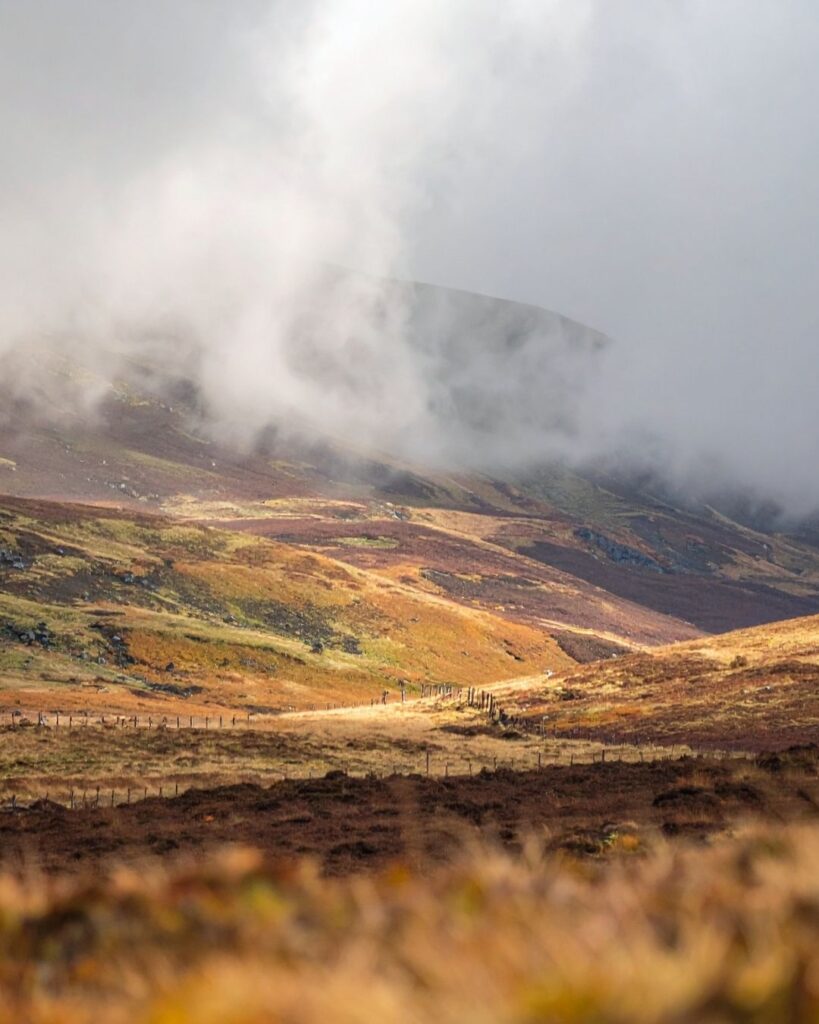
Here is the silver lining that photographers and slow travellers already know: in winter, the sun never climbs very high. That means the golden hour — that soft, warm, low-angle light that makes landscapes glow — lasts for most of the short day. The light in the Highlands in winter is genuinely extraordinary. Mountains look sculpted, water turns molten, and even a simple glen becomes breathtaking.
Roads and Getting Around Are a Different Beast in Winter
Single-track roads and what to expect
A large proportion of Highland roads are single-track — one lane wide, with passing places at intervals. In summer these require patience. In winter, they require experience and caution. Ice patches can appear without warning, and passing places are often unmarked by snow. If you are not used to single-track driving, slow down considerably and always yield to oncoming traffic early.
When roads close and how to check conditions
Some Highland roads close entirely in severe weather. The A93 over the Cairngorms and several passes in the far north are particularly vulnerable. Always check Traffic Scotland’s website or app before setting off on any longer journey, and have an alternative route in mind. Do not assume that because the road was open yesterday, it will be open today.
Renting a 4WD vs. a standard car
While a standard car with winter tyres can manage many Highland roads in winter, a 4WD or AWD vehicle gives you meaningfully better traction and confidence in icy or snowy conditions. If your plans include remote glens, forestry tracks, or high passes, it is worth the extra rental cost. At minimum, ask your rental company whether the vehicle has winter tyres fitted — many do in Scotland, but not all.
Fuel stops — always fill up, stations are far apart
This sounds obvious but it catches people out every winter. Petrol stations in the Highlands can be 30 to 50 miles apart, and some close early or on Sundays. Never let your tank drop below half in remote areas. If you see a fuel station, fill up regardless of how much you already have. Running out of fuel on a remote Highland road in winter is not just inconvenient — it can be genuinely dangerous.
Winter Activities You Didn’t Know Were Possible
The Scottish Highlands in winter are far from dormant. Cairngorm Mountain near Aviemore offers skiing and snowboarding when conditions allow, with lifts serving runs suitable for all levels. In Glencoe, experienced climbers come from across the world for world-class ice climbing on the glen’s famous faces and gullies. For something more accessible, snowshoeing and winter walking trails thread through forests and along loch shores throughout the region, offering a peaceful way to experience the landscape at its most spectacular.
And perhaps most magically of all, the Highlands are one of the best places in the UK to see the Northern Lights. On clear, dark nights between October and March, the aurora borealis can light up the sky above the mountains in curtains of green, pink, and violet — a sight that will stay with you long after you have returned home.
Safety Considerations on the Mountains
Always tell someone your hiking plan
Before any hillwalk or remote excursion, tell someone your planned route and expected return time. This could be your accommodation host, a family member, or a friend at home. If something goes wrong and you do not return, it ensures someone will raise the alarm. It is a simple habit that mountain rescue teams wish every visitor would adopt.
Mountain rescue services and when to call
Scotland has a network of volunteer mountain rescue teams who respond to emergencies in remote terrain. In an emergency, call 999 and ask for Police, then Mountain Rescue. Do not hesitate to call if someone is injured or in genuine danger — these teams exist precisely for these situations and would rather respond to a call that turns out fine than not be called when someone truly needs help.
How to read a weather forecast for Highland conditions
Standard weather apps are not sufficient for the mountains. Use the Mountain Weather Information Service (MWIS) or the Met Office Mountain Forecast, both of which provide summit-level forecasts including wind speed, visibility, and icing conditions. A day that looks fine in the valley can be a full winter storm at 900 metres.
Why going solo in winter without experience is risky
Winter hillwalking in Scotland is a serious undertaking. Navigation is harder in snow and low light, avalanche risk exists on steep slopes, and a twisted ankle in a remote corrie can become life-threatening when temperatures are sub-zero. If you are new to winter walking, hire a qualified mountain guide for your first Highland winter hike. The experience is worth it, and you will come back with skills that make future trips both safer and more enjoyable.