
How to Prioritise Your Home Improvements
Last Updated on: 19th February 2026, 09:50 am
The First-Time Buyer Checklist:
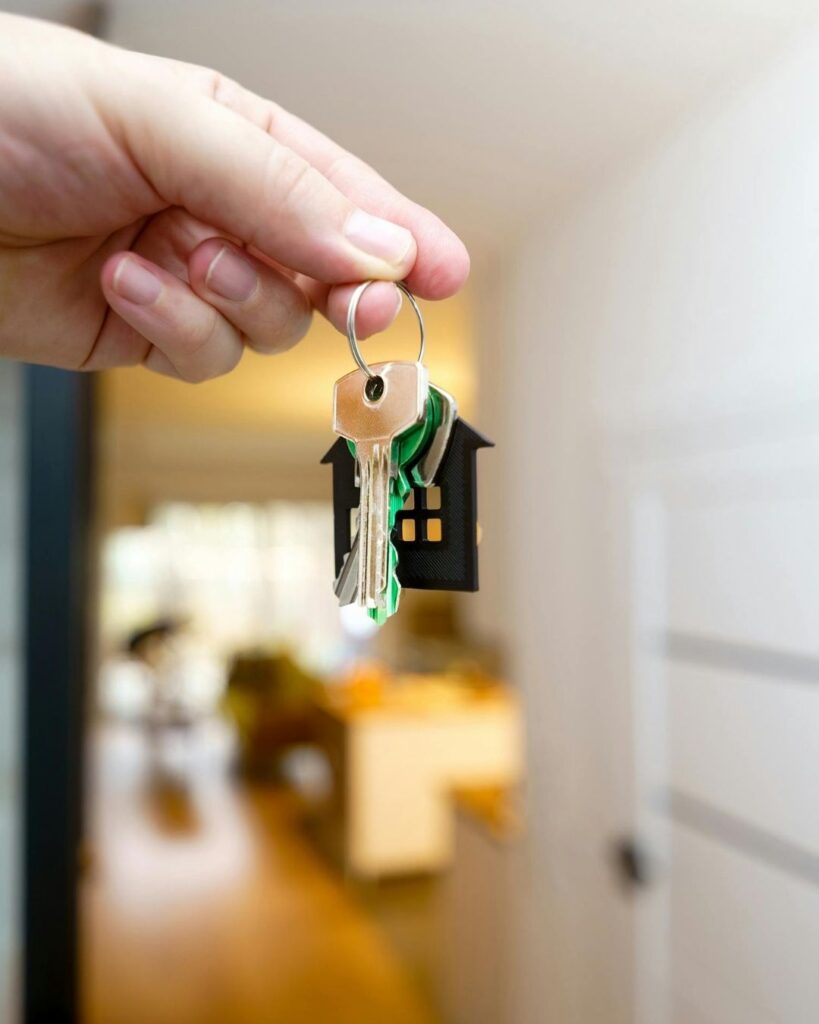
Congratulations, you’ve finally got the keys! After the whirlwind of surveys, solicitors and packing boxes, you are officially a homeowner. However, once the initial excitement settles and you’re standing in your new front room, the to-do list can feel slightly daunting. It is tempting to start browsing new kitchens immediately, but the secret to a successful first year is focusing on improvements that impact your daily comfort, safety, and energy bills. Here is how you can prioritise your home improvements without burning out or breaking the bank.
1. The day one safety audit
Ensuring your home is a safe environment should take priority over the colour of the walls. On your first day, walk through the property and check the following:
- Smoke and carbon monoxide alarms: Test every alarm. If they look dated, replace the units entirely. It’s a small price to pay for peace of mind.
- Locate the stopcock: Ensure you know how to turn off the water in an emergency.
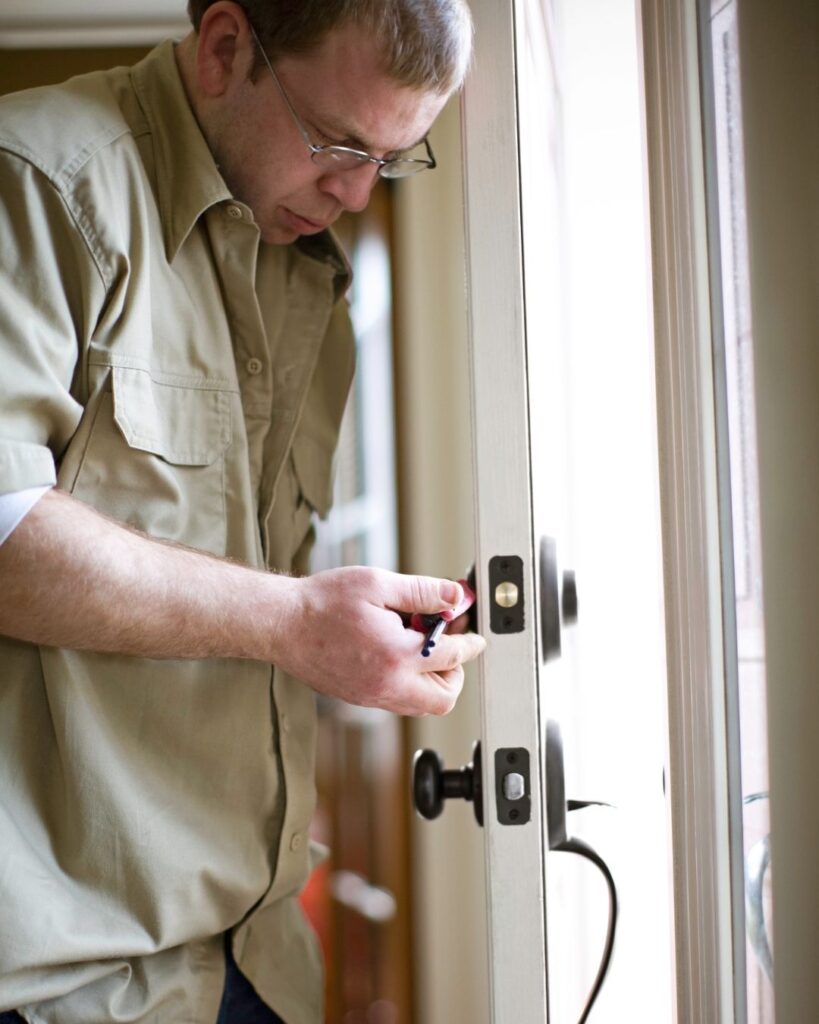
- Changing the locks: You never know how many sets of keys are floating around from previous owners.
2. Focus on functionality and comfort
Once the safety basics are covered, look for upgrades that make the house feel more solid and efficient.
- Seal the draughts: Check for gaps around windows and doors. Simple draught excluders or silicone sealant can make a massive difference to your heating bills during your first winter.
- Lighting overhaul: Old, flickering bulbs or harsh cool white lighting can make a beautiful room feel clinical. Swap these for warm LEDs and uplighter lamps to instantly change the atmosphere of your home.
3. Personalise without the power tools for home improvements
OK, time to make the space your own. Given this is your first home, you might not be as familiar with DIY just yet. You might also want to keep your options open for your second step on the property ladder. If the previous owner has taken their blinds and curtains with them, privacy might be a priority. Rather than struggling with heavy tools and worrying about damaging plasterwork or window frames, look for non-invasive options.
For instance, modern solutions such as no drill blinds allow you to customise your rooms the moment you move in without needing a toolbox. These upgrades are done in a click and offer a perfect, polished and professional look with zero stress.

4. Create a realistic budget timeline for home improvements
It is a marathon, not a sprint. To avoid overspending, categorise your remaining projects into three buckets:
- Immediate (month 1-3): Fixes that prevent damage (leaky taps) or improve sleep (blackout blinds).
- Short-term (year 1): Cosmetic updates like painting and new carpets.
- Long-term (year 2+): Large-scale renovations like new bathrooms or extensions.
Managing money isn’t the only benefit here. It also gives you time to live in the space and understand how you actually use each room. You might find that the wall you planned to knock down is perfect just where it is.
Take it one room at a time, celebrate the small wins and enjoy the process of turning your first house into a home.