The Things That Surprise Most First-Time Visitors To Aruba
Last Updated on: 25th August 2026, 08:54 pm
First-Time Visitors to Aruba
When most travellers book their first trip to Aruba, they arrive with certain expectations shaped by glossy brochures and Instagram feeds. But this remarkable Caribbean island has a way of defying assumptions and delivering delightful surprises at every turn. From its unexpected landscape to its unique cultural blend, Aruba consistently amazes newcomers who discover there’s far more to this island than pristine beaches and turquoise waters. Here are some great tips for those first-time visitors to Aruba
The Desert Landscape Isn’t What You’d Expect from a Caribbean Island
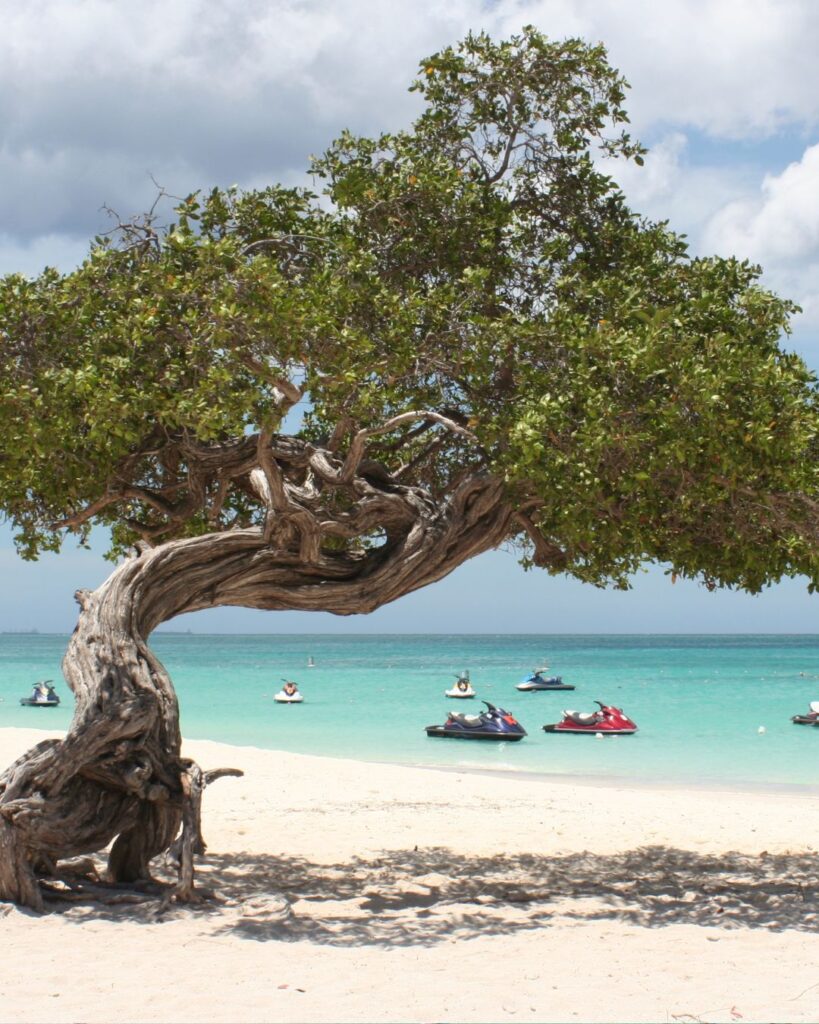
First-time visitors often do a double-take when they venture beyond the resort areas. Unlike the lush, tropical rainforests that characterise many Caribbean destinations, Aruba features a striking desert terrain dotted with cacti, divi-divi trees bent by constant trade winds, and rugged rock formations. This arid climate is actually one of the island’s greatest assets, as Aruba sits outside the hurricane belt and enjoys sunshine roughly 300 days per year.
The contrast between the developed coastline and the wild interior is remarkable. Within minutes of leaving the beach, you’ll find yourself surrounded by landscapes that feel more like Arizona than the tropics. This unique geography creates incredible opportunities for exploration, from hiking to hidden natural pools to discovering ancient cave paintings left by the island’s original inhabitants.
The Beaches Have Actual Personality Differences
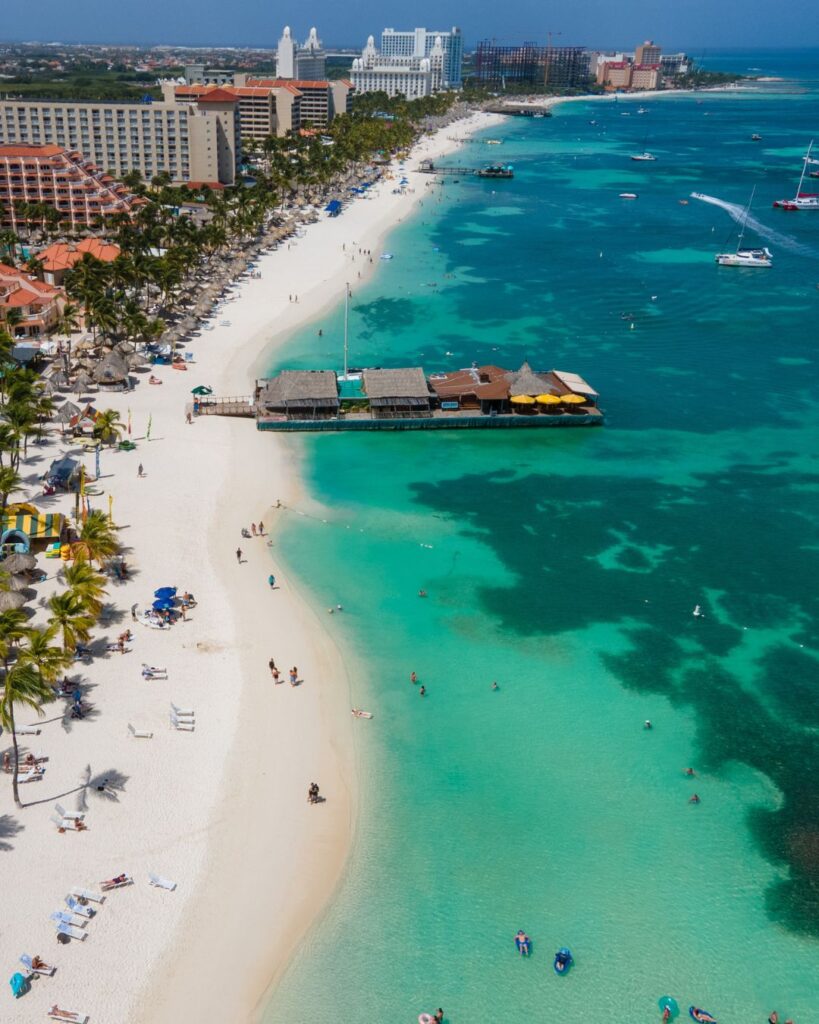
Most visitors assume one Caribbean beach is pretty much like another, but Aruba’s coastlines tell different stories. The calm, southwestern beaches like Eagle Beach and Palm Beach offer that classic postcard experience with gentle waves perfect for swimming and floating. These areas are ideal for families and anyone seeking relaxation.
However, the northeastern coast presents an entirely different character. Here, powerful waves crash against rocky shores, creating dramatic scenery that’s breathtaking but generally unsafe for swimming. The contrast teaches visitors an important lesson about respecting the ocean’s power while appreciating its diverse moods. Many travellers find themselves drawn back to different beaches throughout their stay, each offering its own distinct atmosphere and appeal.
The Food Scene Goes Way Beyond Resort Restaurants For First-Time Visitors To Aruba
Aruba’s culinary landscape surprises visitors who expect typical resort fare or basic Caribbean cuisine. The island’s multicultural heritage, with influences from over 90 nationalities, has created a vibrant food scene that rivals destinations twice its size. Dutch, Venezuelan, Colombian, and Indonesian flavours merge with fresh seafood and local ingredients to create something entirely unique.
Venture into local neighbourhoods and you’ll discover family-run restaurants serving authentic dishes at a fraction of resort prices. The capital city of Oranjestad transforms into a foodie paradise after dark, with everything from food trucks to upscale dining establishments. Many guests who opt for Aruba rentals by owner find themselves with full kitchens, allowing them to shop at local markets and prepare meals with fresh ingredients while still enjoying the island’s restaurant scene on their own schedule.
English Is Widely Spoken, But You’ll Hear So Much More
While many Caribbean islands present language barriers for English-speaking tourists, Aruba offers a surprisingly smooth communication experience. Most locals speak at least four languages: Papiamento (the local creole language), Dutch (the official language), English, and Spanish. This linguistic versatility stems from the island’s diverse history and its position as a cultural crossroads.
Hearing Papiamento for the first time delights most visitors. This melodic language blends Portuguese, Spanish, Dutch, and African influences into something entirely its own. Locals appreciate it when visitors learn a few basic phrases, and the warmth of the Aruban people becomes even more apparent when you make the effort to engage with their culture beyond the tourist experience.
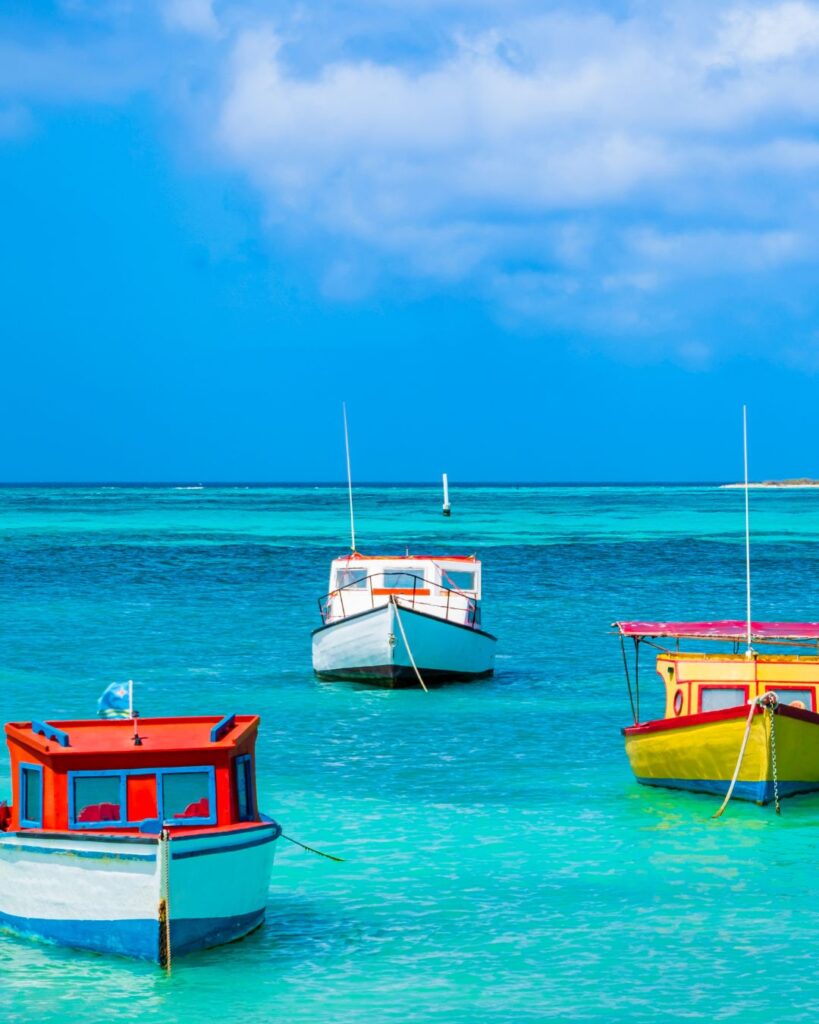
First-Time Visitors To Aruba Find It Is Safer and Cleaner Than You Might Imagine
Aruba consistently ranks as one of the safest destinations in the Caribbean, a fact that pleasantly surprises many first-time visitors. The island maintains remarkably low crime rates, and tourists can explore with confidence both day and night. This safety extends to the practical aspects of travel as well – the tap water is perfectly safe to drink, and health standards are exceptionally high.
The cleanliness of the island also stands out. Arubans take tremendous pride in their home, and this shows in the well-maintained beaches, streets, and public spaces. Community cleanup efforts and environmental initiatives demonstrate a collective commitment to preserving the island’s natural beauty for future generations.
Final Thoughts on Discovering the Real Aruba
Aruba’s ability to surprise and delight first-time visitors speaks to its unique character among Caribbean destinations. Beyond the beautiful beaches that initially attract travellers, the island offers unexpected landscapes, rich cultural experiences, exceptional safety, and a warmth that goes far deeper than the tropical climate. These discoveries transform a simple beach vacation into a meaningful travel experience that keeps visitors returning year after year, each time uncovering new layers of this remarkable island paradise.