
How to Lose More Weight on a Diet
Last Updated on: 25th August 2026, 08:46 pm
Lose More Weight When You Diet
Losing weight can be frustrating when progress slows down or when you experience weeks where your weight remains the same. Many people start a diet with motivation and enthusiasm, only to hit a plateau after a few weeks and feel deflated. The good news is that sustainable weight loss does not require extreme diets, cutting out entire food groups, or spending hours in the gym every day. In most cases, small changes to your daily habits can help you lose more weight over time.
To lose more weight while staying healthy and maintaining your energy levels, it is essential to focus on consistency, balanced nutrition, regular movement, and realistic lifestyle habits. Here are some of the most effective ways to improve your results while following a diet.
Focus On A Calorie Deficit
Weight loss happens when your body uses more calories than it consumes. This is known as a calorie deficit. While many diets have different rules and approaches, almost all successful weight-loss plans work because they help people reduce their calorie intake. Even Slimming World and Weight Watchers follow this calorie deficit rule.
However, cutting calories too aggressively can backfire. Extremely low-calorie diets may leave you feeling tired, hungry, and more likely to overeat later. Instead, aim for a moderate calorie deficit that allows you to lose weight steadily while still enjoying meals and maintaining your daily routine. Tracking your food for a few days using a calorie-tracking app can help you understand how much you are really eating. Many people underestimate portion sizes or forget to count snacks, sauces, and drinks.
Increase Your Protein Intake To Lose More Weight
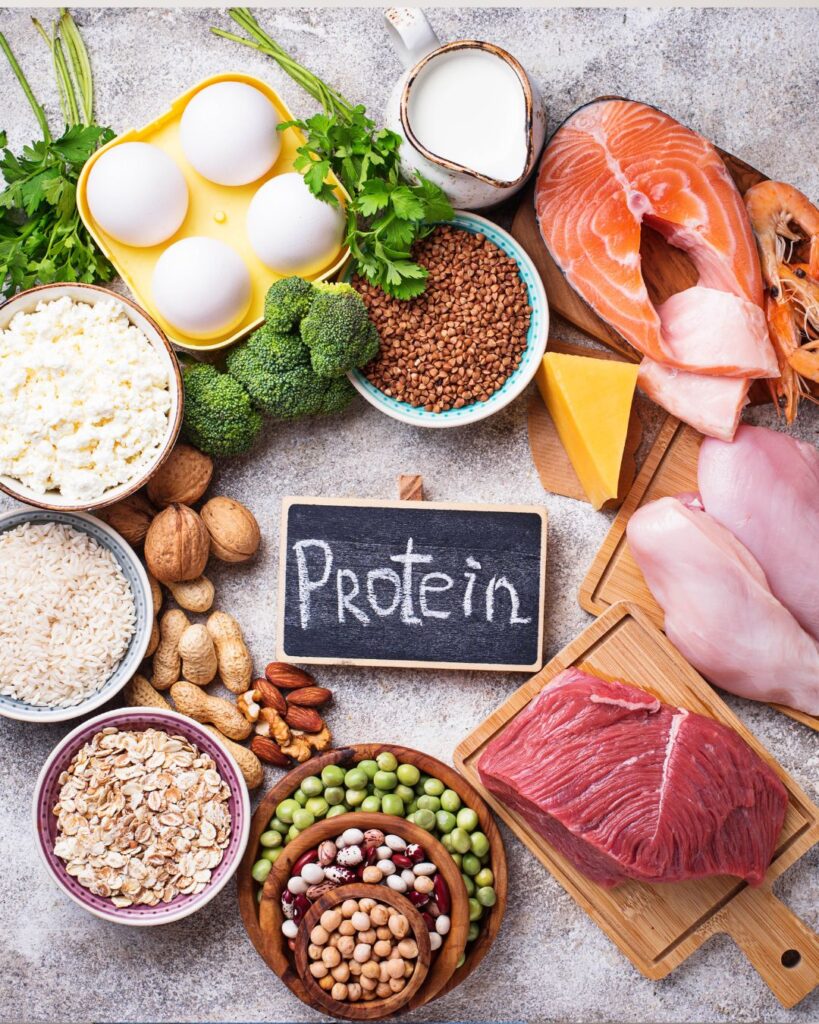
Protein is one of the most important nutrients for weight loss because it helps keep you full for longer. It also supports muscle maintenance while your body loses fat. Meals that contain protein are often more satisfying, which can reduce cravings and snacking between meals. Including protein in every meal can help improve appetite control and make dieting easier to stick to long-term. Good sources of protein include food like chicken breasts, eggs, Greek yoghurt, fish and seafood. As well as cottage cheese, lean beef or turkey mince, Tofu and beans.
Eat More Fibre and Whole Foods
Foods high in fibre help you feel fuller while often containing fewer calories. Fibre also supports digestion and can help reduce overeating. Whole foods are generally more filling than heavily processed foods. For example, a bowl of potatoes and vegetables will usually keep you satisfied longer than crisps or fast food containing similar calories. Try adding more vegetables, fruit, oats, brown rice and potatoes. As well as some wholegrain bread, beans and lentils.
Reduce Liquid Calories
Many people overlook the calories they drink each day. Sugary coffees, fizzy drinks, alcohol, fruit juices, and energy drinks can quickly add hundreds of extra calories without making you feel full. Switching to lower-calorie drinks such as water, sparkling water, black coffee, sugar-free drinks, or tea can create an easy calorie deficit without drastically changing your meals. Alcohol can also slow down weight loss because it lowers inhibitions and often leads to overeating. Cutting back on alcohol, even slightly, can improve progress significantly.
Move More Throughout the Day
Exercise is helpful for weight loss, but daily movement is just as important. You do not need intense workouts to see results. Simple activities such as walking more often can increase the number of calories your body burns each day. Many people aim for around 8,000 to 12,000 steps per day when trying to lose weight. Some effective ways to increase movement include walking after meals, instead of using a lift, take the stairs instead. Park further away from the shops and take a walk. Stand up and move around more in the daytime, and go for an evening walk.

Add Strength Training To Help You Lose Weight
Strength training helps preserve and build muscle while losing fat. This is important because muscle helps support your metabolism. Without resistance training, some weight loss may come from muscle instead of body fat. You do not need to become a bodybuilder to benefit from strength training. Two to four sessions per week using weights, resistance bands, or bodyweight exercises can help improve your body composition and support long-term weight maintenance. Exercises such as squats, lunges, push-ups, rows, and dumbbell exercises are great starting points.
Prioritise Sleep and Stress Management
Sleep and stress levels have a bigger impact on weight loss than many people realise. Poor sleep can increase hunger hormones and cravings, especially for high-sugar or high-fat foods. Stress can also trigger emotional eating and make it harder to stay consistent with healthy habits. Improving sleep quality by going to bed earlier, reducing screen time before bed, and maintaining a regular sleep schedule can help support appetite control and energy levels. Stress-management activities such as walking, journaling, meditation, or spending time outdoors may also help reduce emotional eating.
Avoid Extreme Diets
Very restrictive diets may produce quick short-term results, but they are often difficult to maintain. Cutting out entire food groups or following unrealistic rules can lead to binge eating, cravings, and frustration. Instead of aiming for perfection, focus on building sustainable habits you can continue long after reaching your goal weight. Consistency is usually far more important than perfection. This may include eating balanced meals most of the time, whilst still allowing yourself the occasional treats in moderation. Learn about portion control so you do not overeat. Try cooking more meals at home, instead of takeaway or boxed dinners and plan your meals, so you know what you will be eating.
Be Patient With Progress Whilst You Lose Weight
Healthy weight loss takes time. While rapid weight loss may seem appealing, slower progress is often more sustainable and easier to maintain. Body weight naturally fluctuates due to water retention, hormones, salt intake, and digestion, so daily changes on the scale are normal. For most people, losing around 0.5 to 1 kilogram per week is considered a healthy and realistic target. Instead of focusing only on weight, pay attention to other signs of progress, such as increased energy, better sleep at night and improved fitness. Your clothes will fit differently, and you may need to take some in. Lastly, you will see a huge reduction in food cravings.

Remember This Whilst You Try To Lose Weight!
Losing more weight on a diet does not require starving yourself or following unrealistic trends. The most effective approach combines a moderate calorie deficit, higher protein intake, more movement, good sleep, and consistent healthy habits. Small changes repeated consistently over time often produce the best long-term results. By focusing on sustainable habits instead of quick fixes, you are more likely to lose weight successfully and maintain your progress in the future. Whether you are looking to lose weight for travel or for a special occasion, you will do this, and you will feel better.