
How To Use AI Systems At Work

Last Updated on: 8th November 2025, 04:01 pm
Industrial vision systems, also known as machine vision, are transforming manufacturing, packaging, and quality control across the UK and worldwide. They can be really beneficial to your business. Here’s how AI systems work, how they’re used, and practical steps for the implementation of the machines at work.
What Is an AI Or Industrial Vision System?
An industrial vision system uses cameras, sensors, and artificial intelligence to “see” and interpret visual information on a production line. Instead of relying solely on human inspection, these systems automate tasks like checking for defects, measuring components, or guiding robotic arms. Many people believe an industrial Vision System is even better than a couple of people inspecting products on the production line.
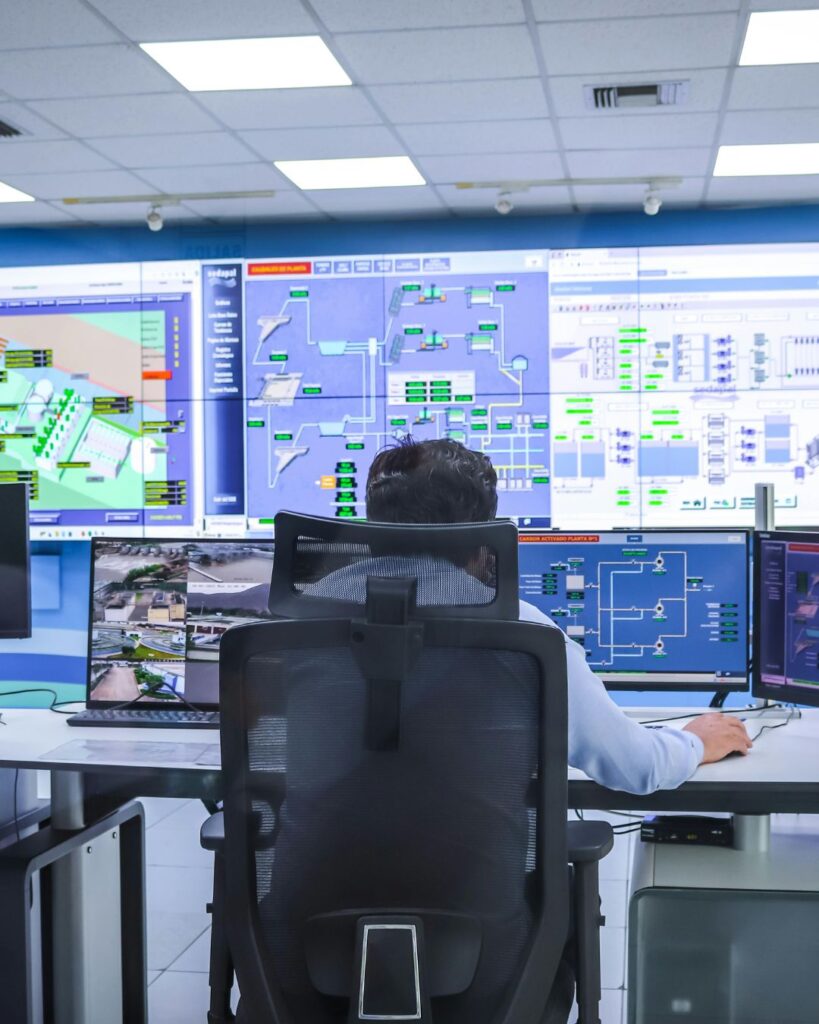
Key Uses of Industrial Vision Systems
- Quality Inspection: Automatically detect flaws, scratches, or incorrect assembly in products—far faster and more accurately than the human eye.
- Measurement: Precisely measure the size, shape, or alignment of parts to ensure everything meets strict specifications.
- Sorting and Identification: Identify products, read barcodes or QR codes, and sort items based on colour, size, or shape.
- Robot Guidance: Guide robotic arms to pick, place, or assemble parts with precision.
- Traceability: Track products through every step of production for better quality control and recall management.
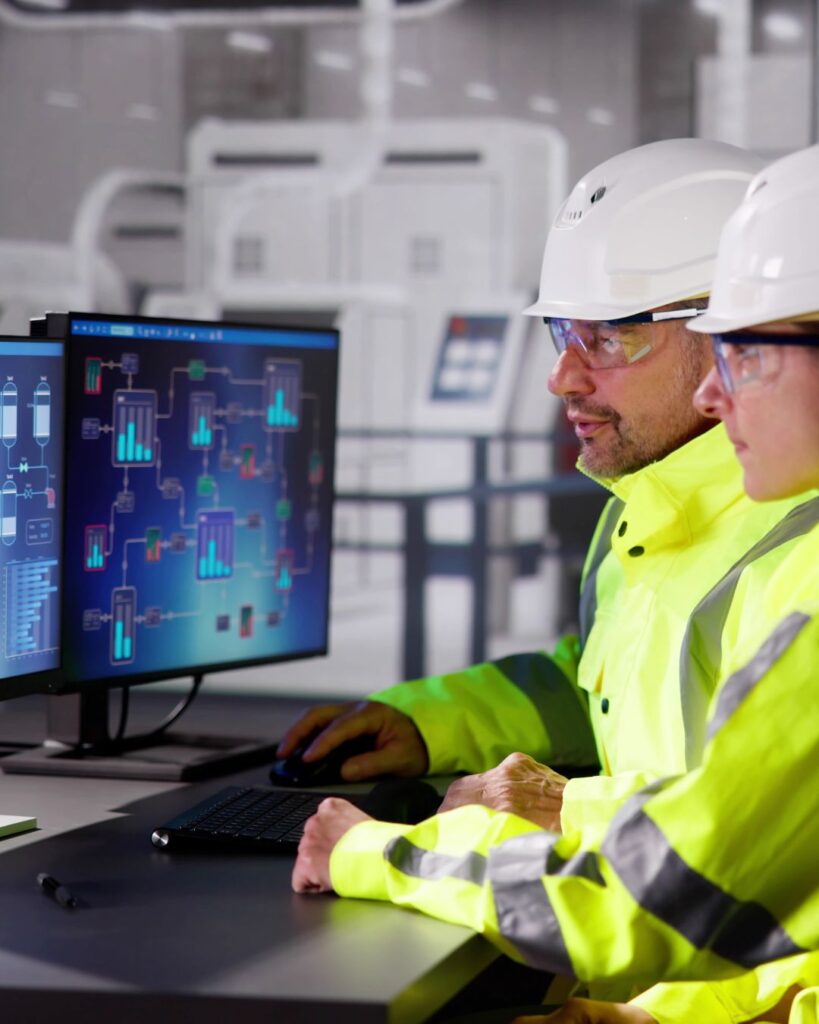
Steps to Use AI Systems
1. Define Your Inspection or Automation Goal
Start by looking at what you want the vision system to do. Is it to spot defects, verify labels, measure parts, or guide robots? Clear goals will shape the entire setup.
2. Choose the Right Hardware
Select cameras, lighting, and lenses appropriate for your environment. For example, high-speed cameras for fast-moving lines, or infrared lighting for hard-to-see features. The right hardware ensures reliable image capture in all conditions.
3. Set Up the System
Install cameras and lighting at the best angles to capture clear images of the target area. Consistent lighting is crucial—shadows or glare can interfere with accuracy. Secure everything in place to prevent movement or vibration.
4. Calibrate and Test
Calibrate the cameras to ensure accurate measurements. Run test batches and adjust settings to ensure the system can reliably distinguish between “good” and “bad” products.
5. Train the AI or Vision Software
Many modern systems use AI or machine learning. Feed the system with images of correct and incorrect products so it learns what to look for. This training phase is critical for high accuracy.
6. Integrate with Production Systems
Connect the vision system to your production line’s controls. This enables the automatic rejection of faulty products, provides real-time alerts, and issues instructions to robots—all without requiring human intervention.
7. Monitor and Maintain
Regularly check the system’s performance. Clean lenses, update software, and retrain the AI if new product designs are introduced. Continuous monitoring ensures consistent quality and reliability.

Benefits Of AI Systems For Industry
Industrial vision systems significantly enhance productivity, minimise errors, and lower costs. They free up human workers from repetitive inspection tasks, improve product quality, and make manufacturing safer and more efficient. Using industrial vision systems involves setting clear goals, selecting the appropriate equipment, performing careful setup and calibration, training the software, and maintaining it on an ongoing basis. These systems are a cornerstone of modern, high-quality manufacturing—and a key example of how AI is reshaping industry for the better
For more tech posts, pop over here.


