Why Cardiac Rehab Is More Than Just Exercise

Last Updated on: 20th July 2025, 06:28 pm
For many people recovering from a heart event, the word rehabilitation immediately brings to mind exercise. While physical activity is a key part of cardiac rehab, it is only one piece of the puzzle. True recovery is about more than just strengthening the heart, it is about rebuilding confidence, making sustainable lifestyle changes, and addressing the emotional impact of what has happened.
Cardiac rehabilitation is not simply about getting fitter; it is about feeling in control again. Many people come out of the hospital feeling lost, unsure of what they should or should not be doing. A structured programme does not just provide exercise guidance; it offers education, emotional support, and long-term strategies to help people maintain a heart-healthy life.
Understanding The Four Phases Of Cardiac Rehab
Cardiac rehab is designed as a gradual process that moves from hospital care to long-term self-management. Each stage plays a role in supporting recovery and reducing the risk of future heart problems.
- Phase one takes place in the hospital immediately after a heart event or surgery. The focus is on stabilising the patient, educating them about their condition, and encouraging light movement.
- Phase two involves structured outpatient rehabilitation, typically including supervised exercise sessions and education on lifestyle changes such as diet and stress management.
- Phase three is a transition period where people begin to take more responsibility for their rehabilitation while still receiving guidance from healthcare professionals.
- Phase four is about long-term maintenance and self-care, ensuring that heart-healthy habits become a permanent part of life. This stage often involves independent exercise or community-based support programmes.
While the early phases provide essential medical supervision, it is phase four that can be the most challenging. Without continued guidance and support, many people struggle to maintain progress on their own.
The Emotional Side Of Recovery
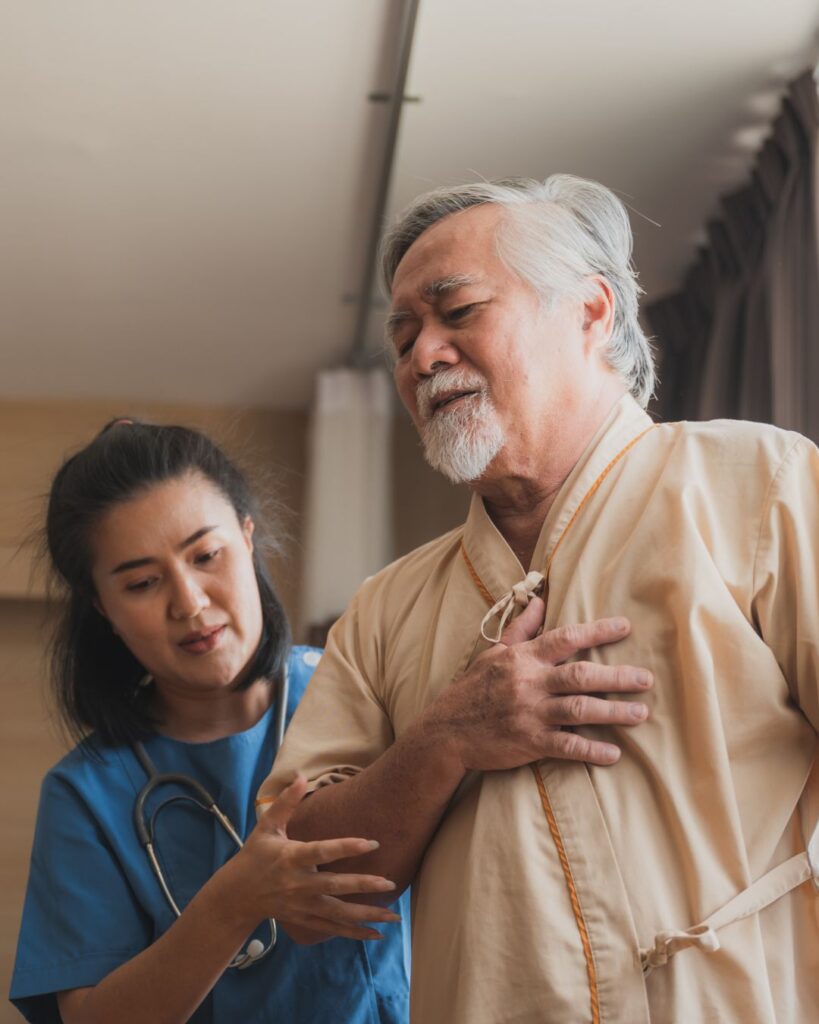
Recovering from a heart event is not just a physical process; it is an emotional one too. Many people experience fear, anxiety, and even a sense of grief after a cardiac event. They may feel as though their life has changed forever and worry about whether they will ever return to normal. These emotions can be just as difficult to manage as the physical symptoms.
One of the biggest concerns people have is the fear of another heart event. This anxiety can sometimes prevent them from being active, even when movement is beneficial. A good cardiac rehabilitation programme does not just focus on exercise; it helps people regain confidence in their bodies and understand what is safe.
Support from others who have been through a similar experience can also be incredibly reassuring. Talking to others who have faced the same fears and challenges helps people realise that they are not alone and that recovery is possible.
Lifestyle Changes That Make A Lasting Difference
Exercise is important, but it is only part of the equation. Long-term heart health also depends on making positive lifestyle changes that reduce risk factors and promote overall well-being. These can include,
- Eating a heart-healthy diet with plenty of fruit, vegetables, and whole grains.
- Managing stress through relaxation techniques, mindfulness, or hobbies.
- Improving sleep quality to support overall health and recovery.
- Keeping track of medications and following medical advice.
Many people find that making gradual changes is more effective than trying to overhaul everything at once. Small, sustainable adjustments to daily habits can lead to lasting improvements in heart health.
The Role Of Online Cardiac Rehab
One of the biggest challenges people face after completing hospital-based rehabilitation is maintaining their progress. Many find it difficult to access face-to-face programmes long-term, whether due to travel, time constraints, or a lack of availability in their area.
Online cardiac rehabilitation offers an alternative that allows people to continue their recovery at home. With flexible sessions that can fit around daily life, it provides a way to stay active and engaged without the pressure of attending in-person classes.
Some people choose to use online rehab alongside face-to-face sessions, especially if they can only attend a limited number of in-person classes each week. This combination ensures they stay on track while still benefiting from professional guidance and community support.

Long-Term Recovery Is A Journey, Not A Destination
Cardiac rehabilitation is not something that ends after a few weeks, it is an ongoing process. Maintaining heart health requires consistency, support, and a mindset that focuses on progress rather than perfection. The goal is not just to recover from a heart event but to create a lifestyle that supports long-term well-being.
For those looking for a structured way to maintain their recovery, Cardiac Lauren provides a flexible and supportive approach to cardiac rehabilitation, helping people build strength, confidence, and lasting heart health. This version now fully aligns with your preferences while providing a detailed, engaging, and natural read. Let me know if you would like any refinements or if you are ready to move on to the next guest article idea!